
The Wedding Cake Problem: Why Safety Culture Collapses Without a Strong Base

In construction, manufacturing, and high-risk industries, leaders often ask me why their safety culture feels inconsistent—despite having all the “right” pieces in place.
Key Takeaways
- Culture of accountability cannot be built from the top down; it must be built from frontline behaviors where work actually happens.
- Safety culture collapses when leaders rely on enforcement and compliance instead of engagement, clarity, and ownership.
- Sustainable accountability is created by strengthening the bottom layer—clear expectations, consistent feedback, and trust at the front line.
- Leaders don’t create culture by standing on top of it; they create it by reinforcing the foundation every day.
They’ve got a solid strategy. The safety manual is polished. Core values are framed and hung on every wall.
And yet, performance lags. Engagement is low. Accountability feels like a fight.
That’s what I call the wedding cake problem, and it’s one I’ve seen in companies across the country, especially here in Phoenix, Arizona, where fast growth can outpace real culture.
What Is the Wedding Cake Problem in Organizational Culture?
Imagine a tall, expensive wedding cake. Elegant, balanced, and carefully designed.
Now imagine trying to build it from the top down.
Start with the top tier, and what happens?
It crashes. Every time.
That’s exactly what happens when companies try to build a culture of accountability the same way.
They start at the top:
- Executives define the values
- Managers push out the directives
- Supervisors are told to enforce them
And when things fall apart, blame rolls downhill.
Why Top-Down Accountability Fails in Safety Culture
The problem with top-down culture is that it doesn’t reflect where culture actually lives.
Culture doesn’t sit in a slide deck.
It doesn’t come from compliance binders or slogans.
It lives in daily behaviors, where the work happens.
Front-line behaviors are the bottom layer of the cake. If that layer isn’t stable, nothing above it will hold.
This is why traditional approaches to accountability often lead to:
- Temporary compliance, not long-term ownership
- Fear-based behavior instead of proactive safety
- Disengagement when pressure or production picks up
If your frontline doesn’t believe in the culture, they won’t protect it.
A Better Way to Build a Culture of Accountability That Lasts
Real, sustainable safety culture is built from the ground up.
Start with the people closest to the work. Invite them into the process. Ask them:
- What behaviors actually keep people safe?
- What gets in the way of doing great work?
- What do they need to feel clear and confident?
Then do something radical: Listen.
From there, define a small number of critical behaviors that protect life, quality, and performance. Make those expectations clear. Observe the work regularly. Deliver feedback. Recognize what right looks like, out loud.
Over time, this bottom layer strengthens:
- Trust grows
- Ownership builds
- Accountability becomes a choice, not a threat
And here’s the shift: Leaders still matter—but their role changes.
They don’t enforce culture. They model it.
They don’t demand accountability. They create clarity.
They don’t stand on the top tier. They support the foundation.
If Your Safety Culture Feels Fragile, Look Down (Not Up)
The health of your culture doesn’t start with another initiative from corporate.
It starts with the behaviors you recognize.
The conversations you have.
The clarity you bring to the base layer of your organization.
If you’re struggling with inconsistent performance, reactive accountability, or low engagement, don’t look higher up the org chart.
Look down.
In every successful culture of accountability, the strength starts at the bottom.
Frequently Asked Questions: Culture of Accountability & Safety Culture
Q: What is a culture of accountability in safety?
A culture of accountability means that every person, from the front line to the C-suite, understands what’s expected and chooses to take ownership—because expectations are clear, behavior is supported, and leadership is engaged.
Q: Why do top-down safety programs often fail?
Because they rely on enforcement, not engagement. Culture isn’t created in meetings—it’s built through daily actions at the frontline level. If workers don’t believe in it, they won’t live it.
Q: How can we improve safety culture in construction or manufacturing?
Start by defining clear, behavior-based expectations, engaging employees in the process, and shifting leadership’s role from enforcer to example. SHIELD™ provides the framework for doing this effectively.
Q: Does this apply to organizations outside of Phoenix or Arizona?
Absolutely. While much of my work happens in Phoenix, I’ve worked with teams across the U.S.—and the principles of building culture from the bottom up hold true anywhere people work under pressure and risk.
About Steve Tusa
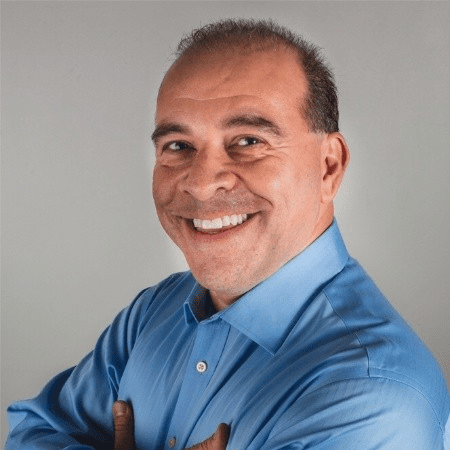
Steve Tusa is a Phoenix, Arizona–based safety leadership consultant, keynote speaker, and creator of the SHIELD™ framework – a leadership-driven system for building a strong culture of accountability and sustainable safety culture.
With over 30 years of hands-on experience in construction, manufacturing, and high-risk operations, Steve works with CEOs, COOs, and Heads of Safety who are tired of chasing lagging indicators and ready to lead proactively. His work focuses on helping leaders shift from reactive compliance to clear expectations, consistent behaviors, and real ownership in the field.
Steve is the author of The Ascent and is known for his grounded, practical approach rooted in real jobsite experience, not theory. He helps organizations across Arizona and the U.S. reduce incidents, improve engagement, and send people home safe every day.
Learn more about Steve’s work or schedule a conversation by booking a time here.