
Risk Tolerance vs. Risk Reality: What Every Safety Leader in Arizona Needs to Hear
Key Takeaways
- Risk tolerance is what you allow. Every small thing you let slide each day becomes your real standard, and your standard shapes your outcomes.
- Data tells you what might happen. Leadership means asking what you’d live with if it did. That’s the heart of probability vs. consequence thinking.
- Serious Injury & Fatality (SIF) prevention begins long before an accident happens. Field engagement, supervisor coaching, and employee voice are the early warning signs that matter most.
- Safety culture is built (or broken) in small, everyday moments. Unaddressed hazards, skipped coaching conversations, and box-checking training all create patterns that put people at risk.
- Leaders need to be present and visible in the field. Across Southwest construction and Phoenix, Arizona worksites, behavioral standards only stick when leadership shows up consistently, not just when something goes wrong.
- When workers feel safe speaking up, lives are saved. Employee voice is one of the most powerful leading indicators a team can have.
The Call No Leader Is Ready For
It’s 5:55 a.m. on a Monday. Your phone rings.
“We had a horrible accident. An employee was badly injured. EMTs are on site.”
You’re told her name. You’re told she has two young children.
At 6:30 a.m., the phone rings again.
“She didn’t make it.”
I’ve received that second call more times than I ever wanted to. And every single time, whether it happened on a Southwest construction site, a Phoenix facility, or any worksite in between, the same truth remains:
Most leaders say they have zero tolerance for Serious Injury & Fatality (SIF).
But very few have truly sat with what that means.
I’m not saying that to be harsh. I’m saying it because I’ve been there, and I wish someone had said it to me sooner.
Risk Is Not Just a Number. It’s About Real People
In a conference room, risk feels manageable. It turns into scores, charts, and percentages. It becomes a Southwest risk management conversation full of data points that feel safe to discuss from a distance.
I once worked with a CEO whose insurance costs kept going up. His agent told him not to take it personally. It was just math. Industry codes and work hours feeding an algorithm that calculated the odds of a fatality happening inside his company.
That night, he went home and cried.
Because it stopped being math. Someone was running numbers on the chance that one of his people wouldn’t make it home, and it had become a line item on a page.
That was his moment of confronting risk reality. And honestly, I’ve had mine too. When you really let it sink in what these numbers represent, it changes the way you lead.
Probability vs. Consequence: The Question That Actually Matters
Data and models are helpful. We need them. But they only answer one question:
“What’s likely to happen?”
Good safety leadership means we have to answer a harder one:
“What am I willing to live with if it does?”
A small probability looks fine on paper. It doesn’t look fine in a hospital waiting room, sitting across from a husband or a mother or a child.
Insurance companies don’t care about your good intentions. They look at your patterns.
And in Southwest construction and high-risk industries across the world, those patterns tend to look the same:
- Supervisors who aren’t regularly in the field doing coaching conversations? That’s a pattern.
- Workers who don’t feel heard or valued? That’s a pattern.
- Fuzzy leadership accountability and unclear expectations? That’s a pattern.
Patterns predict what happens next. And bad patterns lead to outcomes nobody wants to face.
I know. I’ve faced them.
Why Leading Indicators Are the Heart of Safety Culture
Here’s the honest truth: we can’t just look at what went wrong after the fact and call that a safety culture. To truly protect people, we have to look much earlier, at the small daily habits and decisions that either build or chip away at safety.
I’ll often ask leaders quietly: “What are you actually willing to tolerate?”
Not what the policy says. What actually happens on a normal Tuesday.
- Are you okay with supervisors who skip coaching and observation because they’re too busy?
- With training that people complete but don’t actually apply?
- With a known hazard sitting unaddressed on a Phoenix job site because the schedule is tight?
- With workers who’ve quietly learned not to speak up?
Because here’s the hard part: whatever you tolerate becomes the real standard. And your real standard shapes your risk of a Serious Injury & Fatality event – more than any program or policy ever will.
No leader I’ve ever worked with, whether in large-scale Southwest construction or smaller Arizona safety leadership roles, wants that early morning phone call. But I’ve watched good people unintentionally build the environment that makes it possible.
The good news is that it can change. It starts with tracking the right leading indicators and asking better questions before something goes wrong:
- Are your leaders truly present in the field, or just available on paper?
- Are the safe behaviors that matter most clearly defined as behavioral standards, and are people actually following them?
- Are those behaviors being observed and reinforced every day, not just during audits?
- Do your people get recognized for doing things right?
- Do your workers feel safe enough to use their employee voice to raise a concern without worrying about what happens next?
These aren’t just questions for your safety team. They’re decision-making questions for every leader in your organization. They’re the ones that determine human impact. They’re the ones that define your real safety culture. In any high-risk setting, getting these right is what operational discipline actually looks like.
Showing Up Is One of the Most Important Things You Can Do
There are families who will never attend your leadership meetings. They’ll never see your dashboards. But they feel the effects of your safety culture every single day: through whether supervisors are coaching or not, whether behavioral standards are upheld or overlooked, and whether their loved one’s employee voice was welcomed or silenced.
I want to ask you something, and I hope you’ll sit with it:
If you got that 5:55 a.m. call tomorrow, could you honestly say:
“We did everything we possibly could to protect our people.”
Not just from the heart, but in practice every day. On every Phoenix job site and Southwest construction project you’re responsible for.
Because risk tolerance isn’t a statement you make. It’s what your leadership presence shows up to allow or prevent: in the field, in real time, in the moments that feel too small to matter.
And the truth is, those small moments are everything.
It takes more presence. More care. More consistency. More leadership accountability and operational discipline than feels easy, especially when there’s pressure to produce. I understand that. I’ve felt it.
But that effort, shown up for every day, is exactly what stands between a tragedy and your team coming home safe.
Lead the Climb.
Frequently Asked Questions
Q: What does “risk tolerance” mean for safety leaders? A: Risk tolerance is the level of risk you’re actually willing to accept through your real, day-to-day decisions: not just what your policy says. In Arizona safety leadership and Southwest construction settings, your true risk tolerance shows up in what gets addressed and what gets let go. The gap between what you say and what you allow is where Serious Injury & Fatality (SIF) events take root.
Q: What’s the difference between risk tolerance and risk reality? A: Risk tolerance is what leaders say they’ll accept. Risk reality is the environment that actually exists based on the patterns they allow to continue. When behavioral standards aren’t consistently followed, supervisor coaching is skipped, and workers don’t feel comfortable using their employee voice, the risk reality on the ground is much worse than any written policy reflects, whether you’re in Phoenix, Arizona or anywhere else in the Southwest.
Q: What are leading indicators, and why do they matter? A: Leading indicators are signs that tell you about the health of your safety culture before something bad happens, as opposed to counting accidents after the fact. For Southwest construction and other high-risk industries, useful leading indicators include how often leaders are in the field, how frequently supervisors are having coaching conversations, whether behavioral standards are being observed and reinforced, and whether workers feel comfortable speaking up. Paying attention to these helps prevent Serious Injury & Fatality events before they happen.
Q: How does leadership accountability connect to safety culture? A: Leadership accountability means that leaders at every level consistently do what they say they’ll do: showing up in the field, enforcing behavioral standards fairly, and making sure there are real consequences for both safe and unsafe choices. When that accountability is visible and consistent, it sends a clear message that safety is a real value, not just a talking point. This is especially important for Arizona safety leadership teams overseeing large Southwest construction teams.
Q: What is Serious Injury & Fatality (SIF) prevention? A: SIF prevention means specifically focusing on the conditions and risks most likely to cause life-changing injuries or deaths, not just tracking all incidents equally. Effective SIF prevention in Southwest risk management relies on strong leading indicators, leaders who are actively engaged in the field, and a safety culture where every worker’s employee voice is respected and acted on. It’s a shift from reacting to problems to preventing them through daily operational discipline.
About Steve Tusa
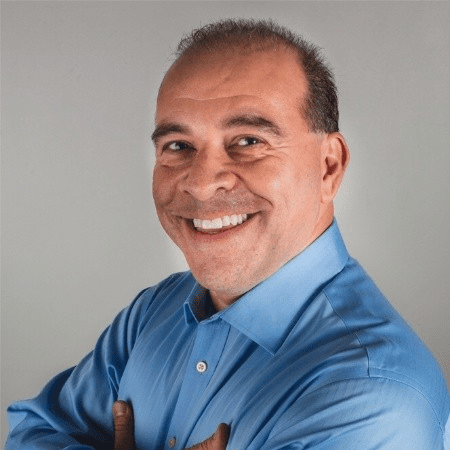
Steve Tusa is a Phoenix, Arizona–based safety leadership consultant, keynote speaker, and creator of the SHIELD™ framework – a leadership-driven system for building a strong culture of accountability and sustainable safety culture.
With over 30 years of hands-on experience in construction, manufacturing, and high-risk operations, Steve works with CEOs, COOs, and Heads of Safety who are tired of chasing lagging indicators and ready to lead proactively. His work focuses on helping leaders shift from reactive compliance to clear expectations, consistent behaviors, and real ownership in the field.
Steve is the author of The Ascent and is known for his grounded, practical approach rooted in real jobsite experience, not theory. He helps organizations across Arizona and the U.S. reduce incidents, improve engagement, and send people home safe every day.
Learn more about Steve’s work or schedule a conversation by booking a time here.