A Leading Home Builder and Multi-Family Contractor Saved More Than $800,000 in Premiums

Insurance costs are a major challenge for construction companies. Premiums keep rising. Claims cost more each year. Many contractors feel stuck. Some switch insurance carriers. Others hire new brokers. Yet year after year, costs keep climbing. One of our clients, a leading home builder and multi-family contractor with 12 service lines, had built a strong reputation over the years.
Leadership wanted to:
- Lower insurance costs.
- Improve driver safety.
- Build a long-term partnership with its insurance provider.
The answer wasn’t another insurance carrier. It was a stronger construction safety culture. That shift changed how the business managed risk and insurance companies viewed it.
A Successful Company Facing an Expensive Problem
The client had every reason to be optimistic. The business continued to grow, completed complex projects, and operated across multiple specialties. The growth made construction culture increasingly important as the company expanded its people, projects, and exposure to risk. Leadership stayed focused on protecting employees, serving customers, and growing the business. Also, growth brought greater responsibility, larger projects, and increased exposure to risk. But, insurance costs for Auto, General Liability, and Umbrella coverage rose every year.
The company changed insurance carriers and brokers more than once. Even so, premiums kept rising. So, leadership looked for a different approach. The goal was to solve the problem instead of treating the symptoms. The problem was bigger than rising insurance costs. Claims eroded profits. They also made the company less competitive. Even worse, serious crashes put employees and the public at risk. Something had to change.
Looking Beyond the Insurance Policy
Many contractors believe that market conditions determine insurance costs. Premium increases often feel unavoidable, especially when the entire industry experiences rising rates. Insurance companies rely on historical losses when evaluating risk. Past claims tell only part of the story. They don’t show strong leaders. They don’t show engaged employees. Subsequently, they don’t show the work happening every day to prevent accidents. So the focus shifted from buying insurance to improving the business itself through a stronger construction culture.”
That idea shaped the company’s strategy for years to come. The answer started with people.
Building a Safe Construction Culture Instead of Checking Boxes
A strong and safe construction culture is more than rules and training. It creates an environment where:
- Leaders model safe behaviors
- Employees take ownership of risk, and
- Continuous improvement becomes part of daily operations.
That philosophy guided every step of the strategy. General Managers became committed to developing safety initiatives instead of only approving them. But, meaningful change requires more than executive support. Every employee needed to understand why safety mattered. They also needed to know they could make a difference. So, the company formed a Safety Task Force or as Steve Tusa, Fractional Risk Manager leading strategy, calls it, a Design Team. Naomi Hart, Fractional Safety Director, served alongside the company’s General Managers and led the Ascent Works Safety team in delivering training, leadership development, safety observations, and more.
A design team is a cross-functional group of frontline employees and leaders. It’s how you build bottom-up accountability in your organization. Its job is simple: keep improving safety. Driver safety became the focus. Each of the 12 business units completed a Safety Readiness Score assessment. They didn’t apply one standard program across the organization. Every business unit received a safety plan built for its own risks. Leaders stayed involved. Employees joined in. Together, they changed the company’s culture.
Turning Safety Into a Business Advantage
Many organizations treat safety as a compliance requirement. The most successful organizations treat it as a competitive advantage. Every safety improvement showed that the company’s safe construction culture was reducing future risk. Insurance underwriters rarely see those improvements on their own. Someone has to tell that story.
So, the safety improvements became part of the company’s risk strategy. Instead of allowing insurers to judge the business by historical claims, they included:
- Leadership engagement
- Proactive safety initiatives
- Driver improvement programs, and
- Measurable operational progress.
That changed how the insurance marketplace viewed the organization. The difference was significant. Instead of reacting to risk, the company showed how risk was being managed every day.
Results That Extended Far Beyond Insurance
The most visible outcome appeared during the insurance renewal process.
- Coverage improved.
- Insurance limits increased.
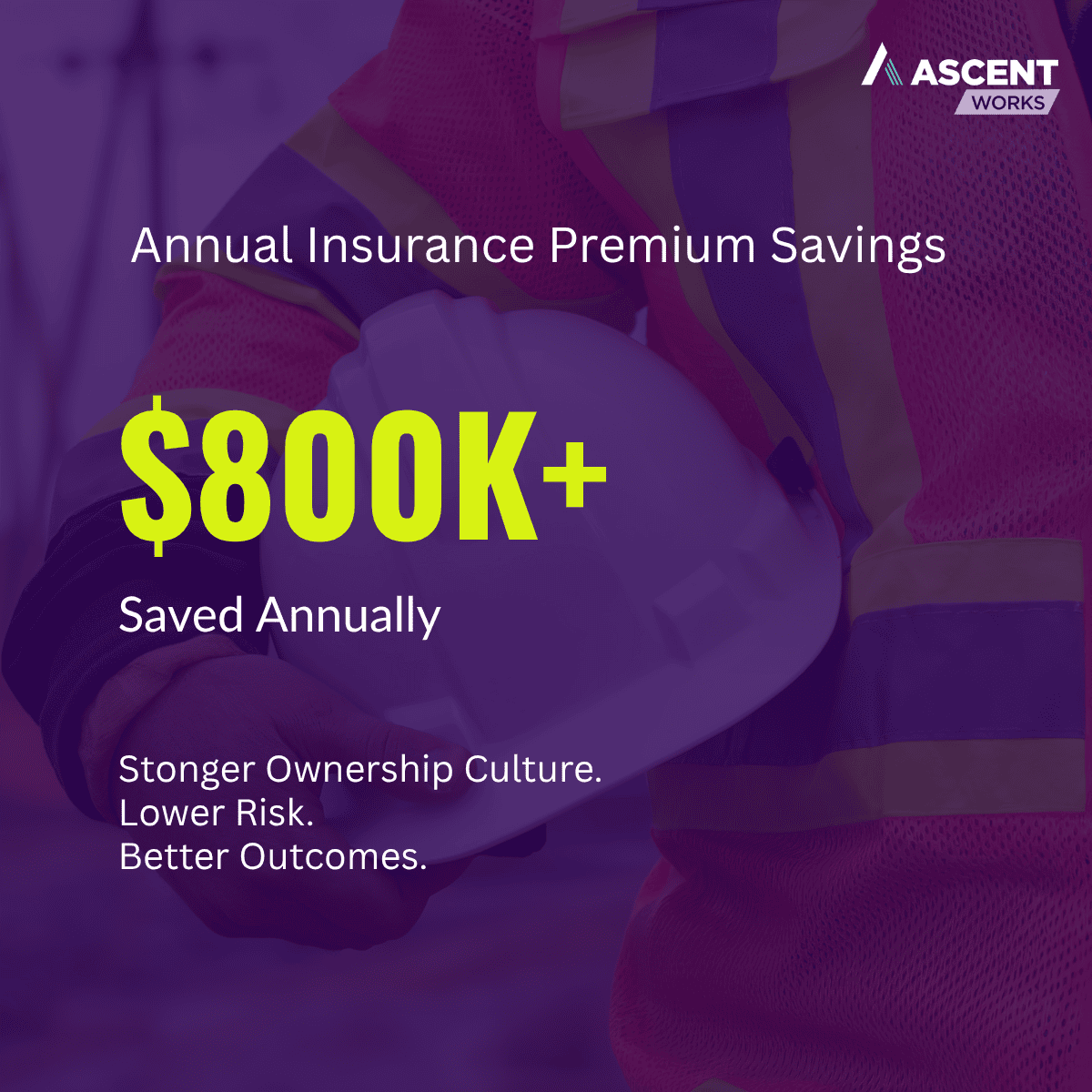
- Annual premiums decreased by more than $800,000.
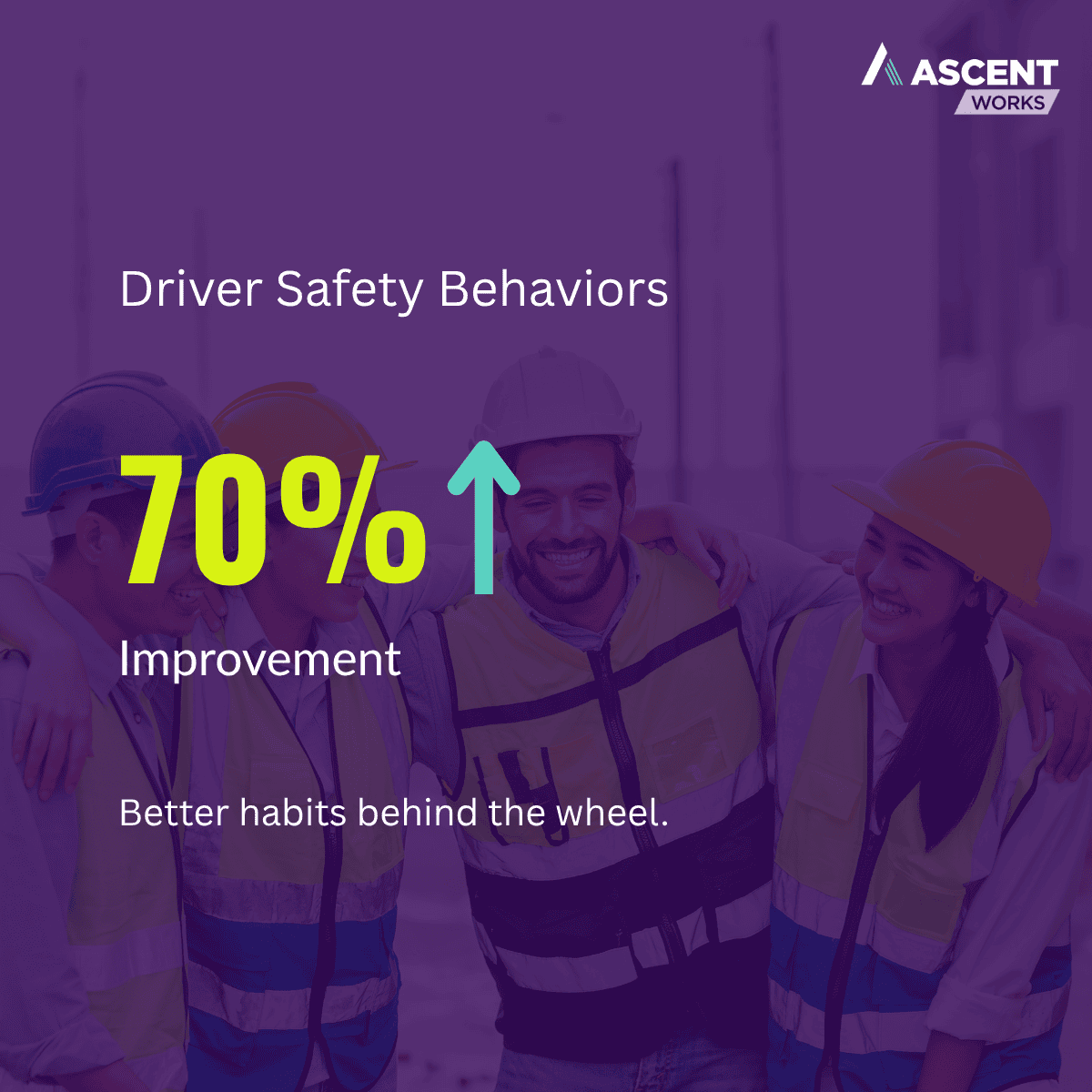
Also, those savings immediately strengthened profitability without reducing protection. But, financial savings represented only part of the transformation. Operational performance improved across multiple areas of the business. Driver safety behaviors improved by 70 percent. This helped reduce one of the company’s largest sources of exposure.
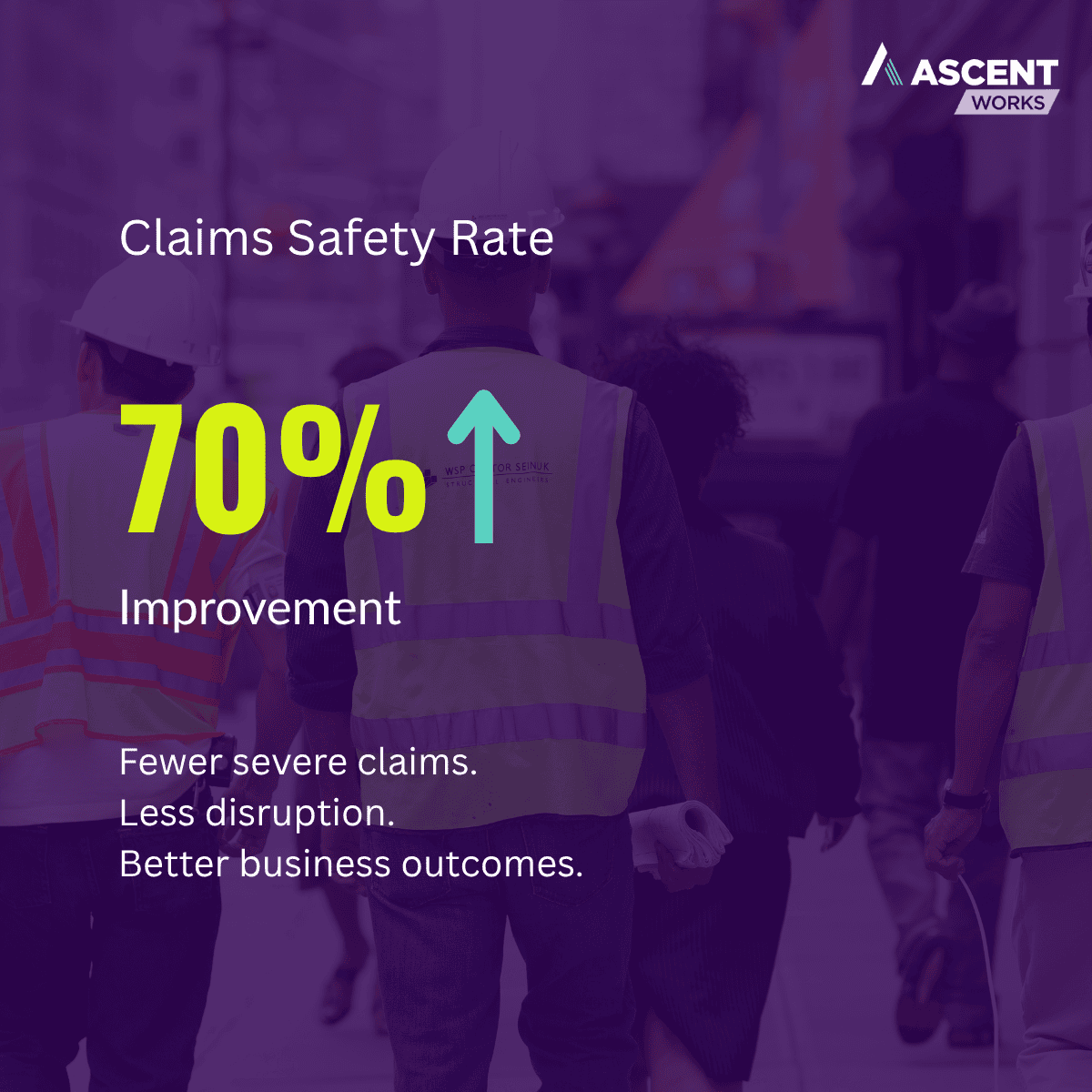
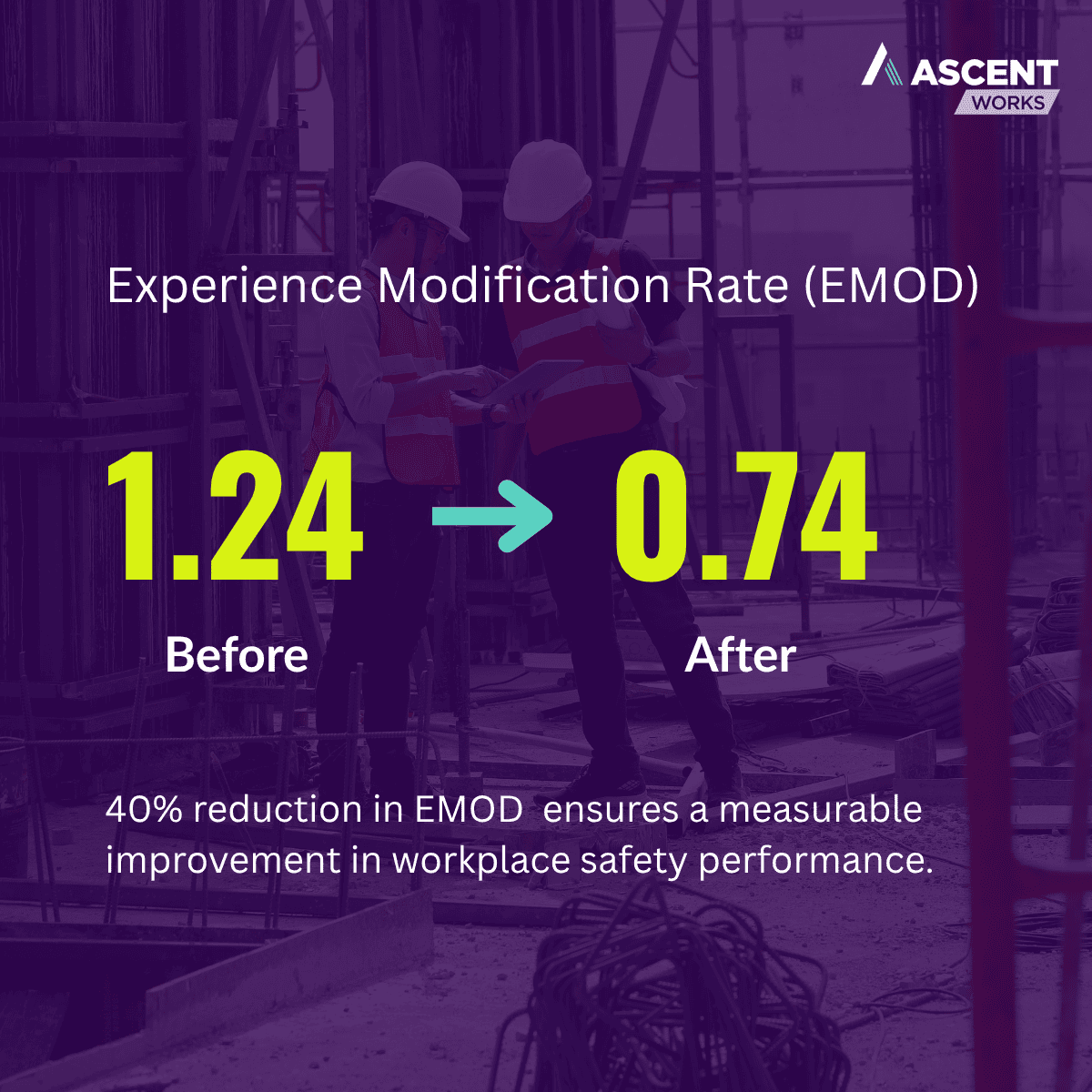
The Experience Modification Rate (EMOD) dropped from 1.24 to 0.74. It reflected meaningful improvement in workplace safety performance. Claims Severity Rate fell by 70%. That reduced claim costs, investigation time, lost productivity, and administrative work.
Leadership across all 12 business units participated in customized Safety Readiness Score assessments. They created consistent ownership and allowed operations to focus on their unique challenges. The organization also earned the Diamond Award in 2024. Ascent Works recognized their performance among the top five percent of participating organizations.
Each result reinforced the next. Better leadership created better behaviors. Better behaviors reduced risk. Reduced risk strengthened insurance outcomes. Better insurance outcomes improved business performance.
The Real Value Behind the Numbers
Saving more than $800,000 each year is impressive. The long-term value, however, reaches much further. The annual insurance savings equal more than $7 million in added revenue. The company achieved the added revenue without taking on more projects or adding complexity. Employees gained confidence. They knew they could do difficult work safely and return home to their families each day. Managers spent less time responding to serious incidents and more time leading teams.
Customers benefited from a contractor committed to continuous improvement. Insurance carriers saw a business managing future risk, not reacting to past events. The transformation showed how a strong and safe construction culture can strengthen every relationship connected to the business.
How Construction Culture Changes the Way You Think About Risk
The story of the leading home builder and multi-family contractor demonstrates an important lesson for construction leaders. Insurance should never be viewed as a separate business function. Risk management, leadership, operations, and safety all influence insurance outcomes. Companies that invest in construction safety culture create value across the entire business. But those improvements only produce their full impact in front of insurance carriers.
The client started with one goal: lower insurance costs. Along the way, the company built a stronger business and a safer workplace. It also earned insurance partners’ trust. Today, its construction safety culture continues to deliver results year after year.