Reducing EMOD Without the Buzzwords

I once walked a job site with a leader who said, “We don’t talk about EMOD much. But we sure feel it when it goes up.”
I bet a lot of you know what that feels like.
For those outside the trenches: EMOD (Experience Modification Rate) is a number that tells insurers and your clients how safe you are compared to your competitors. But if you’re a construction leader in Arizona or the Southwest, you already know this number does more than affect insurance premiums. It impacts your ability to win bids, attract talent, and build trust with clients. It affects a lot and for years.
Here’s the truth I’ve learned after 30+ years in the field: You can’t audit your way to a better EMOD. You have to lead your way there.
Common Misfires
Let’s clear the air on a few myths I still hear too often:
- “We just need tighter compliance.”
My answer: Compliance is the floor. Culture is the ceiling. You want a team where everyone takes ownership. - “We’ll crack down after the next incident.”
Real lives are on the line here. We want prevention, not reaction. - “This is just the nature of our work.”
I’ve seen roofers and utility crews cut EMODs in half. It’s not about the work; it’s about the way we lead it.
What Really Works
I’ve spent the last 30 years developing SHIELD™, which is a values-based framework forged from over 30 years in the trenches of blue-collar leadership. It’s the method I’ve created intentionally over the last three decades through hundreds of conversations with CEOS, COOs, heads of risk, and leaders who really wanted to do the right thing.
It is not just an acronym. It’s the method that will turn safety from a superficial performance into a new culture where your people come first. We help firms move from compliance/checklist safety to culture-based leadership. Here’s what that looks like:
- Define the most critical behaviors that prevent incidents, then coach them daily.
- Build shared accountability where foremen act like coaches, not enforcers.
- Track what matters now, not just lagging stats from last year.
- Lead with care (yes, that word). It’s what drives consistency, trust, and engagement.
One firm came to us after a serious OSHA citation with an EMOD of 1.09. Seven years later, they’re at 0.46. That’s not luck. It’s a lot of hard work, humility, and servant leadership in action.
Why It Matters Here
Arizona’s construction boom is a double-edged sword: opportunity and risk. Tighter margins, more competition, and higher comp costs can make EMOD a make-or-break metric.
But there’s good news: lowering it doesn’t take a massive overhaul. It takes the right process and the will to lead.
If your EMOD is climbing or just not where it needs to be, I will listen. We’ll have a real conversation about what it means to build a culture of accountability.
Here’s a link to get on my calendar this week.
Let’s build something better.
About Steve Tusa
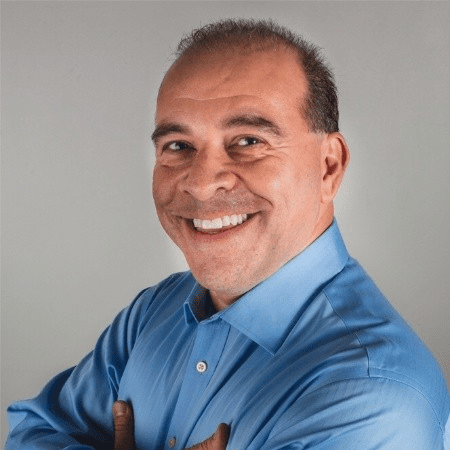
Steve Tusa is a Phoenix, Arizona–based safety leadership consultant, keynote speaker, and creator of the SHIELD™ framework – a leadership-driven system for building a strong culture of accountability and sustainable safety culture.
With over 30 years of hands-on experience in construction, manufacturing, and high-risk operations, Steve works with CEOs, COOs, and Heads of Safety who are tired of chasing lagging indicators and ready to lead proactively. His work focuses on helping leaders shift from reactive compliance to clear expectations, consistent behaviors, and real ownership in the field.
Steve is the author of The Ascent and is known for his grounded, practical approach rooted in real jobsite experience, not theory. He helps organizations across Arizona and the U.S. reduce incidents, improve engagement, and send people home safe every day.
Learn more about Steve’s work or schedule a conversation by booking a time here.