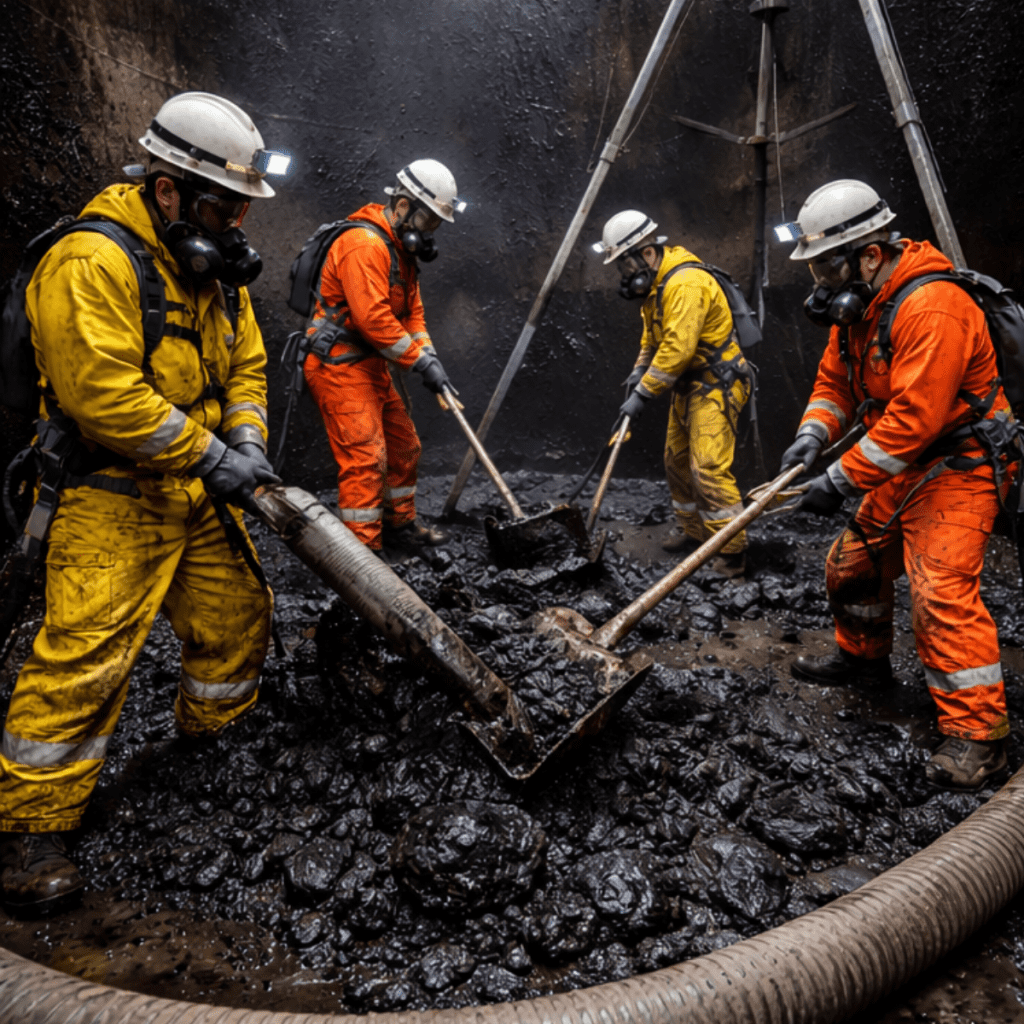
What a Proactive Safety Culture Really Looks Like

It’s easy to say “safety is our top priority.”
It’s a lot harder to build a culture where that’s actually true on every crew, every shift, every day.
If you lead a construction or manufacturing team in Arizona or the Southwest, you’ve likely felt the pressure: tighter bids, stricter requirements, and rising expectations for safety and risk management. In this environment, a reactive safety program just isn’t enough.
The companies we meet and work with aren’t careless. They’re just stuck in a loop:
- Waiting for an incident before taking action
- Treating safety as a department, not a mindset
- Measuring success by what didn’t happen, instead of what’s working
So what does a proactive safety culture actually look like?
Let’s walk the floor and see for ourselves.
Reactive vs. Proactive
| Reactive Safety Culture | Proactive Safety Culture |
| Waits for injuries to trigger change | Identifies and coaches key behaviors in real time |
| Views safety as compliance | Views safety as leadership |
| Punishes failure | Recognizes progress |
| Tracks lagging indicators (near-misses, incidents, claims) | Measures leading indicators (observations, coaching, engagement) |
| Safety responsibility is isolated to safety personnel | Shared accountability at every level |
We’ve seen the shift firsthand from Tucson to Kingman (and far beyond).
When leaders stop “managing safety” and start leading it, teams get safer. More than that, they get stronger, more united, and more productive.
What It Looks Like on the Ground
Here’s what we’ve seen at companies that truly live out a proactive safety culture:
1. Leaders are visible, and they listen.
In proactive cultures, superintendents and execs don’t just show up after something goes wrong. They walk the job, ask questions, and thank people for doing things right.
One Southwest-based firm implemented SHIELD™ and within 12 months, dropped their EMOD from 1.12 to 0.84 without adding a single new safety rule. They just changed how they led.
2. Feedback flows both ways.
When frontline teams feel safe speaking up, they do. Not just about hazards, but about processes, timelines, and ideas. The people on the ground floor have wonderful things to contribute, if we give them the opportunity.
3. Recognition happens in the moment.
Instead of waiting for an annual award, proactive teams highlight great decisions and safe behavior on the spot and monthly. This creates momentum.
4. Everyone owns safety.
It’s not “the safety person’s job.” Foremen coach their crews. Crew members remind each other what good looks like. It’s a shared language, not a checklist.
5. Mistakes become learning moments.
When something goes wrong, the first question isn’t “Who messed up?”
It’s “What system failed, and how do we fix it together?”
What It Feels Like to Work There
When teams have really been getting it right, we hear a lot of this:
“I feel like my voice matters.”
“We’re solving problems before they become injuries.”
“We have each other’s backs.”
A proactive safety culture changes morale, retention, and team cohesion. And yes, it changes your EMOD, too.
Tools to Build a Proactive Safety Culture
We use the SHIELD™ Safety Leadership Framework to help construction and manufacturing companies across Arizona shift from compliance to care. Here’s how it works:
The SHIELD™ Method:
- Define the behaviors that actually keep people safe
- Coach in real time—not just when something goes wrong
- Engage frontline voices in safety design
- Recognize progress, not just perfection
- Measure culture, not just checklists
Whether you’re in Tempe, Glendale, or the Inland Empire, your safety culture already exists. The question is: is it working for you, or against you?
If You’re Ready to Climb
A proactive culture doesn’t come in a binder. You build it one behavior, one conversation, one leader at a time.
I’ve seen this in my career being a guide to that climb. If you’re struggling to move past compliance and into care, I’d be happy to talk. We’ll look at your current culture, explore your goals, and map out your next steps. No pressure. Just progress.
Or, if you want to get a handle on where your safety culture is now, the best thing I can recommend is our quick assessment. It will give you a great idea of your starting point in the climb.
Take the Safety Culture Risk Assessment here.
About Steve Tusa
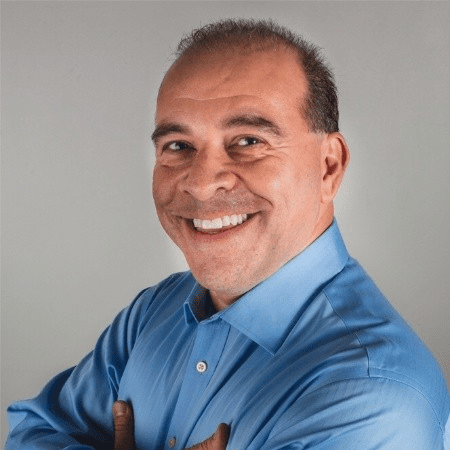
Steve Tusa is a Phoenix, Arizona–based safety leadership consultant, keynote speaker, and creator of the SHIELD™ framework – a leadership-driven system for building a strong culture of accountability and sustainable safety culture.
With over 30 years of hands-on experience in construction, manufacturing, and high-risk operations, Steve works with CEOs, COOs, and Heads of Safety who are tired of chasing lagging indicators and ready to lead proactively. His work focuses on helping leaders shift from reactive compliance to clear expectations, consistent behaviors, and real ownership in the field.
Steve is the author of The Ascent and is known for his grounded, practical approach rooted in real jobsite experience, not theory. He helps organizations across Arizona and the U.S. reduce incidents, improve engagement, and send people home safe every day.
Learn more about Steve’s work or schedule a conversation by booking a time here.