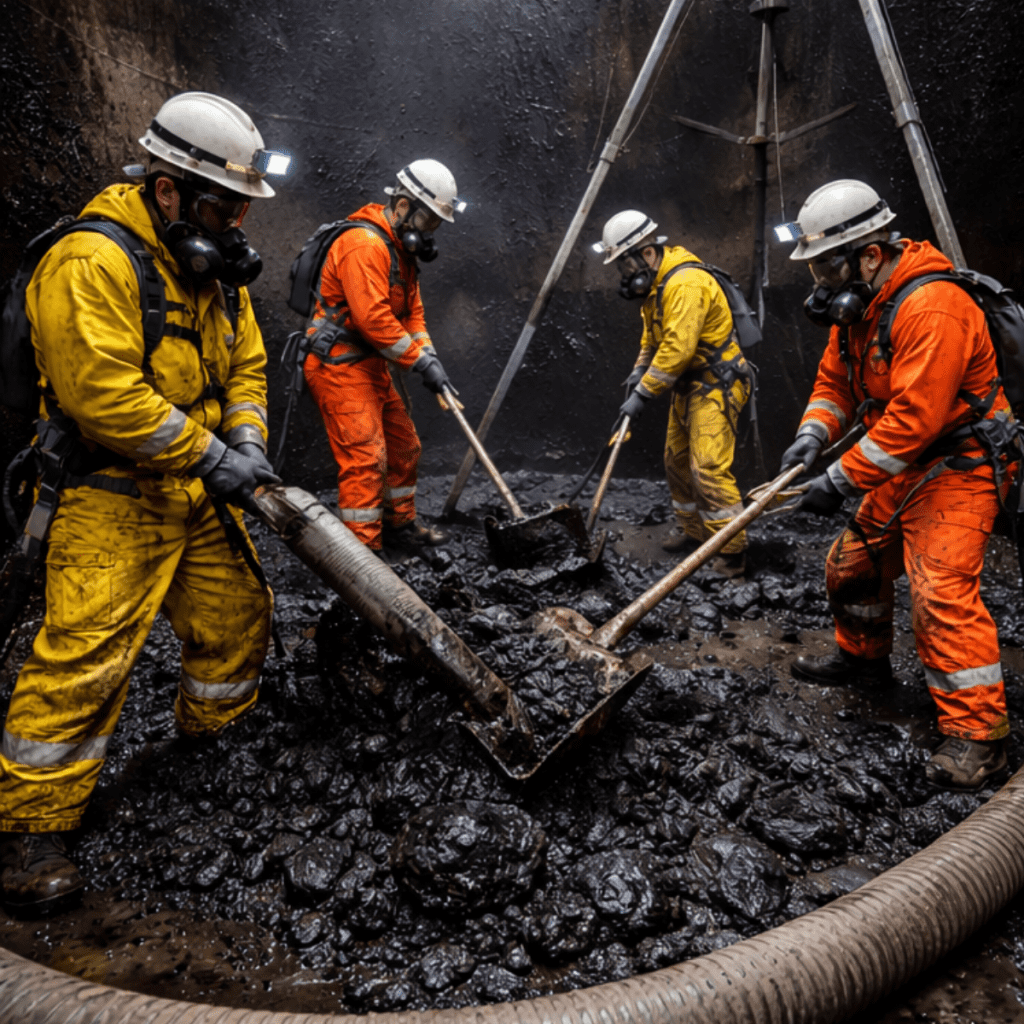
The Power of Leading Indicators

Scoreboards, Safety, and What Really Transforms a Team.
Imagine watching your favorite team play (mine is the Arizona Cardinals), but the scoreboard is off. No one knows the score. No one knows who’s winning. It’s just people going through the motions, hoping for the best..
Not a very enjoyable game. In fact, I’d say it would be pretty frustrating to watch. At the end of the game the scoreboard flashes 24 – 20, we LOST!
That’s what work feels like in organizations that only measure lagging indicators. You may know what went wrong, but only after it’s too late to do much about it. You’re not keeping track of anything during the game, so you had no chance to adjust..
I’ve sat with many leaders who proudly show me their zero-injury banners. But when I ask what behaviors and activities are driving that outcome, the room often gets quiet.
It’s not a trick question, but it does reveal the real gap.
What Gets Measured Gets Managed
The best-performing organizations do in fact have zero or very few injuries. But it’s not because they obsess over their E-MOD.
What they obsess over are their habits, their behaviors, and their consistency every day.
In fact, really great orgs track 80% leading indicators and no more than 20% lagging ones. They treat safety like a performance system, not just a compliance requirement.
And if that sounds a little jargony, what I’m really talking about is a clear, consistent scoreboard that tracks leading indicators.
If you want consistent results, you need a scoreboard, and it needs to not only report the past, but also help you predict the future.
A great scoreboard answers three questions for every person on your team:
- What do you expect from me?
- How am I doing?
- Where do I stand?
It doesn’t have to be fancy, but it does have to be specific, behavior-based, updated often, and most importantly, visible.
Think of it like a dashboard in a truck. If the check engine light comes on, you don’t wait three months to ask questions (at least, I hope you don’t). You act.
That’s the purpose of leading indicators and a scoreboard that tracks them. They help you fix the problem before it’s a problem.
A great scoreboard turns vague goals into daily habits. It makes accountability visible. And it gives people the information they need to self-correct or to ask for help before something goes wrong.
What Goes on the Scoreboard?
A great, effective safety scoring system has to include these elements:
- Expectations are clear and tied to names, not just roles.
- People are ranked from top to bottom.
- Colors signal performance: gold, green, or red.
- Scoreboards are visible, refreshed daily or at minimum,weekly, and reset monthly.
- Recognition is meaningful, not performative.
All of these together mean the scoreboard becomes a mirror that team members can look at for an accurate reflection of the culture.
This system builds ownership. It sparks friendly competition. And it gives you a chance to intervene early, before someone gets hurt or burned out.
What About the People in Red?
Some leaders get uncomfortable with the green-gold-red scoreboards because they’re concerned about the people in the red zones. “What if people feel singled out?” “What if they quit?”
But when you approach those conversations with care, you’ll see that they don’t cause the conflict you expect. What they do is offer a chance for a deeper connection.
I tell the story of one supervisor who ranked low on the board. He was later found to be going through a painful divorce. He was staying at a motel, not eating well, not sleeping. He told his leader, “I’m exhausted. I don’t know if I want to live anymore.”
That conversation changed everything. Not just for him, but for that leader and for the whole team. They were able to adjust to support him, not single him out. He got the help he needed. And he recovered. He became one of their most respected supervisors.
That never would have happened without the system indicating there was a problem.
A Quiet Call to Action
Scoring systems keep us honest. They keep us human. They open doors to accountability and empathy.
If you’re a senior leader, I’d invite you to reflect:
- Are your scoreboards measuring what truly matters?
- Do your people know what’s expected?
- Are you rewarding effort? Or just results?
The best safety cultures I’ve seen don’t start with lagging indicators like “zero injuries.” They start with clarity. With curiosity. With care. And then they measure the leading indicators.
If you’re navigating this now and want to talk it through (what metrics to track, how to build the right scoreboard, how to engage your team in the process) I’d be honored to listen.
Lead the climb.
About Steve Tusa
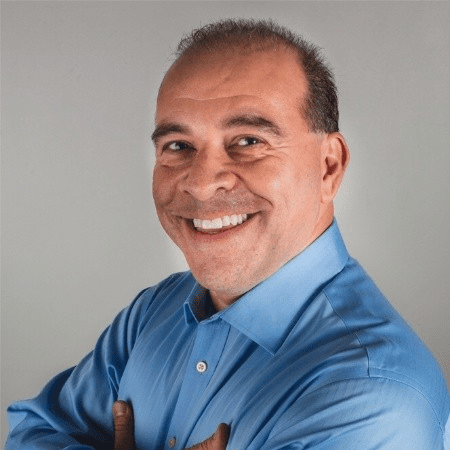
Steve Tusa is a Phoenix, Arizona–based safety leadership consultant, keynote speaker, and creator of the SHIELD™ framework – a leadership-driven system for building a strong culture of accountability and sustainable safety culture.
With over 30 years of hands-on experience in construction, manufacturing, and high-risk operations, Steve works with CEOs, COOs, and Heads of Safety who are tired of chasing lagging indicators and ready to lead proactively. His work focuses on helping leaders shift from reactive compliance to clear expectations, consistent behaviors, and real ownership in the field.
Steve is the author of The Ascent and is known for his grounded, practical approach rooted in real jobsite experience, not theory. He helps organizations across Arizona and the U.S. reduce incidents, improve engagement, and send people home safe every day.
Learn more about Steve’s work or schedule a conversation by booking a time here.