Stop building safety programs, and start building safety coaches

A young VP once told me, “I never saw myself as a leader until someone told me I was one.”
The reason this moment stuck with me was that I knew it was true for so many people. Leadership isn’t something most people chase. It’s something they grow into when someone sees it in them first.
If we want better safety, we need more people seeing themselves as leaders of safety. And to do this, we need our leaders to start bringing it out in the people around them.
Live the Expectations You Set
One of the most overlooked truths in leadership is this: Your team is always watching you.
They watch how you walk a job. How you react when things go sideways. Whether you cut corners when no one’s looking, or hold the line even when it’s hard.
You can hang signs, give speeches, send emails. But if your actions don’t match your words , your culture won’t either.
If you expect people to speak up about safety, do you speak up first?
If you want accountability, do you own your mistakes?
If you demand excellence, do you demonstrate excellence, even on the small things?
You don’t need perfection. But you do need consistency. Alignment between what you say and what you do builds trust. And trust is what gives people the permission (and the courage) to rise to a higher standard.
Connect Work to Purpose
People don’t show up to work to follow rules. They show up to make a living, provide for their families, and find a sense of pride in what they do.
As a leader, your job is to connect those dots. Remind people that the work they’re doing matters: not just to the bottom line, but to real people.
In safety, that might mean reminding someone that their attention to detail is what helps a teammate walk through their front door tonight without a limp, or worse.
Purpose gives people a reason to care when it’s inconvenient. It helps them choose the hard right over the easy wrong.
The best leaders don’t just point to the task, they point to the impact. And that shift changes everything.
Recognize What’s Right
In too many organizations, attention only shows up when something goes wrong.
We hand out write-ups and warnings, but how often do we hand out thanks?
The reality is: What gets recognized gets repeated.
When you call out the right behaviors (on the spot, by name, with specifics) you reinforce what you want to see more of.
One of the most powerful phrases in leadership is: “I saw what you did, and it mattered.”
That might mean acknowledging someone for mentoring a newer teammate. Or thanking a supervisor for recognizing another crew member’s effort. Recognition doesn’t cost a dime, but it drives engagement like nothing else.
Coaches, Not Just Compliance Officers
We often divide people into boxes: supervisors, managers, executives. But titles don’t drive culture. Behavior does.
We need every person in a leadership position to start thinking like a coach.
What does a coach do?
- They stay close to the action.
- They give real-time feedback.
- They build people’s confidence while raising the standard.
They don’t just train people. They develop them. That’s the difference.
Traits of a Great Safety Coach
Over decades of working with field leaders, I’ve found that the best coaches, whether they’re foremen, superintendents, or executives, share these eight traits:
- Caring
- Honest
- Trustworthy
- Role Model
- Positive
- Flexible and Firm
- Confident
- Consistent
You don’t need all eight to be perfect. But you do need to be working on them intentionally.
Ask your team to self-rate on these. Then ask: Which one, if improved, would make the biggest difference right now?
Action Steps for Leaders:
If you want to grow coaches (not just compliance) start here:
- Pick One Leadership Trait
Have each supervisor assess themselves and commit to improving just one. - Recognize One Right Behavior Daily
Be specific. “I saw you double-check that harness—thank you for protecting yourself and the team.” - Use the 10-Second Purpose Drill
When giving direction, take 10 extra seconds to tie the task to the “why.” - Mentor Up
Let emerging leaders pick and invest in an outside mentor. Commitment follows ownership. - Get in the Dirt
Don’t wait for reports. Walk the site. Ask questions. Listen without a clipboard. Coaching starts where the work happens.
If your team’s ready to shift from enforcement to empowerment, I’d be honored to guide. Let’s build the next generation of safety leaders together. Book a call today!
About Steve Tusa
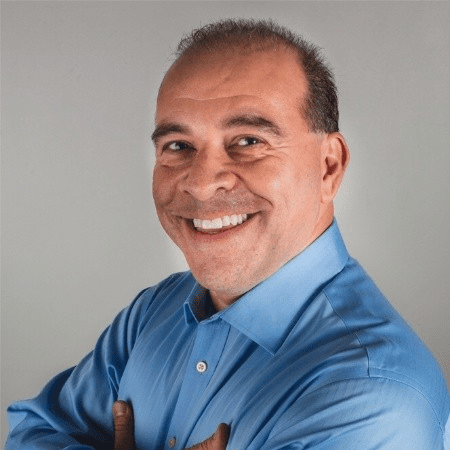
Steve Tusa is a Phoenix, Arizona–based safety leadership consultant, keynote speaker, and creator of the SHIELD™ framework – a leadership-driven system for building a strong culture of accountability and sustainable safety culture.
With over 30 years of hands-on experience in construction, manufacturing, and high-risk operations, Steve works with CEOs, COOs, and Heads of Safety who are tired of chasing lagging indicators and ready to lead proactively. His work focuses on helping leaders shift from reactive compliance to clear expectations, consistent behaviors, and real ownership in the field.
Steve is the author of The Ascent and is known for his grounded, practical approach rooted in real jobsite experience, not theory. He helps organizations across Arizona and the U.S. reduce incidents, improve engagement, and send people home safe every day.
Learn more about Steve’s work or schedule a conversation by booking a time here.