
If You Want Better Safety, Start With Better Thank-Yous

The power of real recognition in safety leadership
A superintendent once told me, “Our crews don’t care about recognition.”
I asked him, “Do they care about being seen?”
He had to think about that.
After 30 years of doing this, I have to disagree with him. People do want to be recognized for what they do.
They’re just tired of the kind they’ve been given:
- A pizza party after a month with “no incidents”
- A once-a-year plaque with a name misspelled
- A slogan on a banner, but silence in the field
In my experience, people think of these as noise, and we don’t need more noise. We need better noticing.
The Mistake Most Leaders Make
If you’ve ever tried to recognize your team and felt it didn’t land, you’re not alone.
I’ve made that mistake, too. Tried a reward system, hoping it would build momentum.
Instead, it built mistrust.
The reason is that most safety programs reward lagging indicators.
Things like:
- “No injuries”
- “No reports”
- “No problems”
Sounds good on paper. But in reality, it makes people less likely to speak up and more likely to hide incidents or near-hits..
I don’t call them near-misses, by the way. I call them near-hits
Because really that’s what they are. Think about it: if you were driving home and were nearly hit by a truck, would you call home and say “honey, great news! I nearly missed getting hit by a truck today!”
No, you’d say, “I almost got hit!”
That’s how we should think about these “near hits” on the job site, too.
Even OSHA has warned against this.
Recognition based on silence sends the wrong message:
“If you don’t speak up, you might get a gift card.”
Not a very good incentive, is it?
And in the meantime, your best people, the ones doing things right, feel unappreciated.
What We Should Do Instead
Over the years, we’ve helped hundreds of companies shift how they lead safety.
Not with software, and not with slogans, but with consistency.
We helped one national construction firm implement simple, daily recognition rhythms:
- Thanking someone specifically for a good safety decision
- Naming someone in the morning huddle for helping a teammate
- Asking, “Who made your job easier today?” and recognizing them in real time
It’s more about building the habits of recognition than trying to drum up a new program.
Here’s what changed for them:
- 97% engagement
- 138 leaders giving daily feedback
- 7,000+ safety interactions per week
- E-Mod dropped from 1.09 to .46
- Over $2 million returned from their insurance captive
All because people started to feel recognized and empowered to take ownership of the safety culture. If you want to know the ins and outs of this example, I go into them in my book The Ascent.
Recognition Is Essential
Recognition cannot be just a pizza party or a plaque. It’s a set of habits, and it’s how you build trust, accountability, and safety ownership.
If you’re tired of recognition programs that feel fake or forced, I created something that might help.
It’s called: “Daily Recognition Rhythms You Can Use Onsite Right Now”
It’s a free guide with practical habits you can print out, carry with you, and start using tomorrow for free.
Click here to download the guide now.
Make recognition a rhythm,instead of a reward, and watch your culture change.
Lead the climb,
Steve
About Steve Tusa
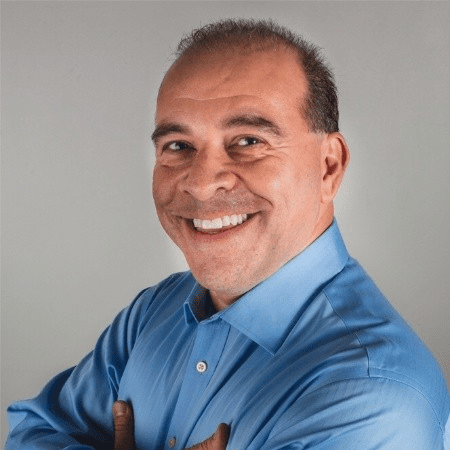
Steve Tusa is a Phoenix, Arizona–based safety leadership consultant, keynote speaker, and creator of the SHIELD™ framework – a leadership-driven system for building a strong culture of accountability and sustainable safety culture.
With over 30 years of hands-on experience in construction, manufacturing, and high-risk operations, Steve works with CEOs, COOs, and Heads of Safety who are tired of chasing lagging indicators and ready to lead proactively. His work focuses on helping leaders shift from reactive compliance to clear expectations, consistent behaviors, and real ownership in the field.
Steve is the author of The Ascent and is known for his grounded, practical approach rooted in real jobsite experience, not theory. He helps organizations across Arizona and the U.S. reduce incidents, improve engagement, and send people home safe every day.
Learn more about Steve’s work or schedule a conversation by booking a time here.