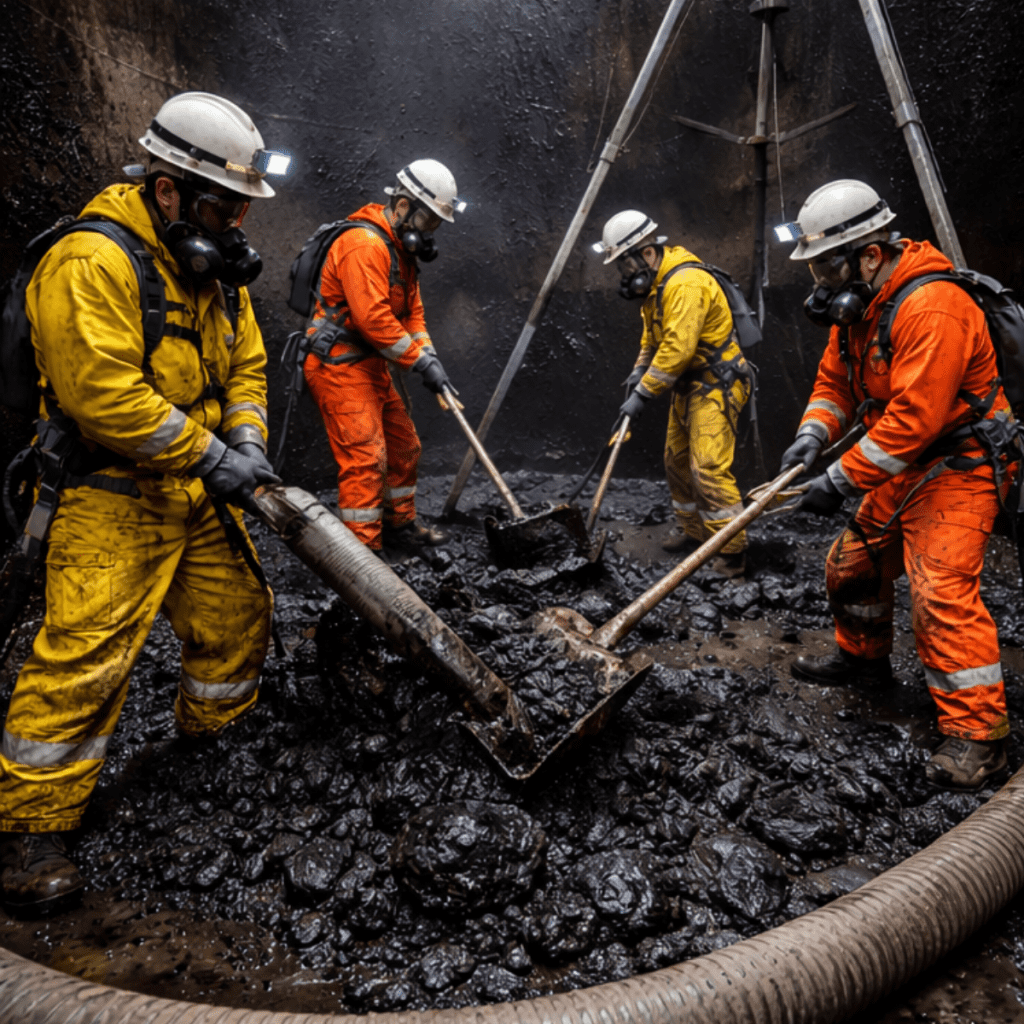
How Do I Build a Safety Culture?

To build a safety culture that lasts, start by building a culture of accountability with defined expectations, engaged leadership, and support via coaching instead of punishment.
It’s easier said than done, but after 30 years as a safety leader in the Phoenix area, I can tell you that it makes all the difference.
Key Takeaways
- Build a safety culture that lasts by creating a clear, consistent, and employee-driven culture of accountability, where expectations are defined, measured, and supported with coaching, not punishment.
- Accountability must be built, not enforced; people choose it when they’re part of defining the behaviors that matter most.
- Leading indicators like behavior observations and proactive coaching are more effective than lagging metrics for improving safety performance.
- The shift from top-down control to frontline engagement drives better safety outcomes, stronger trust, and long-term cultural change.
A senior leader once told me:
“We just need to hold people accountable. That’ll fix the problem.”
I asked him,
“Can you define accountability for me?”
He paused. Then said,
“It means doing your job.”
That pause told me everything I needed to know. The issue wasn’t performance it was clarity.
I often say that you can’t “hold” someone accountable. That’s what prison is for.
And the old culture of “holding people accountable” never gets us where we want – at least, not in any way that builds trust or changes behavior. That phrase implies control, force, or blame. And in industries where risk is high and the stakes are real, that approach doesn’t build safety. It builds silence.
The good news: You can build something better: a culture of accountability that drives ownership, not resistance.
What Is a Culture of Accountability?
1. Define Critical Behaviors That Drive Safety Culture
In the field, clarity saves lives. But many leaders skip this step and assume people “know what to do.”
Great leaders define:
- The exact behaviors that protect people
- What “good” looks like under pressure
- The connection between behaviors and real outcomes
If you’re asking someone to meet a standard they can’t see, that’s not leadership. It’s setting someone up for failure.
And in high-stakes industries like construction and manufacturing, failure can mean the difference between life and death.
2. Measure Accountability with Leading Indicators, Not Lagging Indicators
You can’t improve what you don’t measure. In a strong culture of accountability, behaviors are consistently tracked, not just outcomes.
Leading indicators tell us if our people are working safely, not just whether they got hurt.
At SHIELD™, we teach teams how to build real-time accountability metrics that drive daily focus.
3. Coach and Recognize, Don’t Blame and Punish
The old model of accountability looked like this: Violation → write-up → HR.
But the new model looks like this: Unsafe behavior → conversation → support.
High-trust teams don’t fear feedback. They seek it out.
When you reward safe behaviors and coach through risk, you’re not just protecting people, you’re building capability. You’re creating great teams that love to show up for each other
Accountability Is About Safety, Alignment, and Leadership.
Too many companies rely on slogans like “Safety is our priority,” but their actions don’t reflect it. If you punish without clarity or measure without conversation, your people shut down.
And in construction, utilities, and manufacturing, that silence can be deadly.
Building a culture of accountability is one of the most powerful ways to improve safety culture, reduce risk, and boost retention. But it takes a shift in how leaders show up.
Create Real Frontline Engagement
In my work with the SHIELD™ Framework, I have watched huge teams rebuild safety cultures from the ground up.
We start with a cross-functional design team that defines the critical behaviors for your environment. When frontline employees shape those standards, they own them.
Accountability becomes something they coach each other on, not something that needs to be enforced from the top down.
And once we’ve built this culture, we see some amazing things:
- Safety performance improves
- Production efficiency rises
- Retention climbs
- Culture becomes your competitive edge
Want a Culture of Accountability? Start with These Three Questions:
- Do your people know exactly what’s expected of them?
- Do you measure behaviors or just outcomes?
- Are you coaching consistently, or just reacting?
If you’re a CEO, COO, or Head of Safety tired of the same conversations, I want to help.
Our speaking, workshop, and consulting programs are designed to:
- Build clarity and alignment across roles
- Create measurable, proactive safety systems
- Replace blame with trust, coaching, and consistency
You don’t need to “hold people accountable.”
You need to build a culture where they hold themselves accountable because they know what matters, and they know you care.
Let’s build it right.
Frequently Asked Questions: Culture of Accountability & Safety Culture
Q: What’s the difference between holding people accountable and building a culture of accountability?
A: Holding people accountable usually means reacting after failure. Building a culture of accountability is proactive—it’s about creating systems, clarity, and support so people choose to own their role every day.
Q: Why is a culture of accountability important for safety?
A: Because in high-risk industries, unclear expectations or fear-based management lead to silence, shortcuts, and risk. A culture of accountability builds engagement, coaching, and shared ownership.
Q: What are examples of leading indicators in a safety culture?
A: Things like safety observations, behavior tracking, coaching sessions, and feedback ratios. These are predictive—not reactive—metrics that help leaders prevent incidents.
Q: Can a safety culture be improved without top-down mandates?
A: Absolutely. In fact, most sustainable change comes from engaging frontline workers in designing the behaviors they want to see. That’s the foundation of our SHIELD™ approach.
Q: How do I know if our organization has a strong culture of accountability?
A: Start by asking: Are people clear on what’s expected? Are those behaviors measured? And are we responding with coaching or consequences? If the answer is “sometimes,” then there’s work to be done.
About Steve Tusa
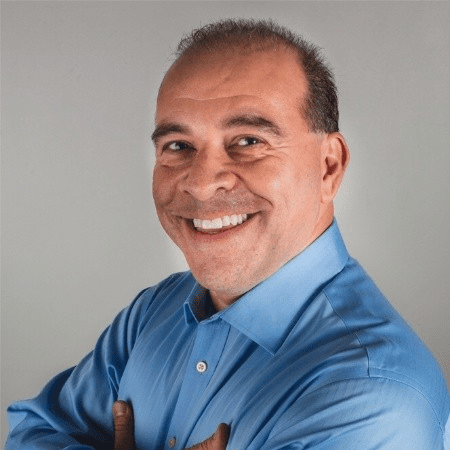
Steve Tusa is a nationally recognized consultant, keynote speaker, and founder of the SHIELD™ system, an accountability-first framework for improving safety culture, leadership, and organizational performance. With over 30 years of hands-on leadership experience in high-risk industries, Steve’s mission is simple: help leaders send their people home safe, every day.
Through keynotes, workshops, custom consulting, and his debut book, The Ascent, Steve helps CEOs, COOs, and Heads of Safety across construction, manufacturing, and compliance industries build systems of trust, clarity, and performance. He is part of the Ascent Works team in Phoenix Arizona, and uses his expertise to help firms across safety, risk, IT, and HR.
Connect with Steve at ascentworks.com or book a discovery call to start building your culture of accountability now.