
Why Lagging Indicators Can’t Build a Strong Safety Culture
Safety Advice for Arizona Safety Teams
Most leaders I work with are smart, experienced, and well-intentioned.
Many of them are based right here in Phoenix, Arizona, leading construction and manufacturing teams under real pressure.
And yet, a surprising amount of their time is spent managing yesterday.
Key Takeaways
- The SHIELD™ Framework is a leadership-based systemfor building a culture of accountability and safety culture by defining critical behaviors, engaging frontline teams, and reinforcing ownership through coaching rather than punishment.
- SHIELD™ shifts safety from compliance and command-and-control to shared responsibility, where accountability is built into daily work instead of enforced after failure.
- The framework focuses on proactive behaviors and leading indicators that prevent incidents before they occur, not just measuring outcomes after the fact.
- When implemented correctly,SHIELD™ improves safety, production, engagement, and trust. It was created by Steve Tusa, a Phoenix, Arizona–based safety leadership consultant and nationally recognized keynote speaker and author.
Need an expert advisor to walk with you through your safety culture? Reach out to Steve here.
Incident rates.
Claims.
OSHA logs.
E-Mod.
Those numbers matter. They absolutely do. But they all have one thing in common.
They only tell you what already happened.
Trying to build a safety culture using only lagging indicators is like driving your truck by staring into the rearview mirror and hoping the road ahead works itself out.
What Lagging Indicators Really Tell Us About Accountability
Lagging indicators are outcomes.
They show up:
- After someone got hurt
- After quality slipped
- After trust was damaged
By the time those numbers change, the decisions and behaviors that caused them are long gone.
I’ve seen leaders react hard when lagging numbers spike. New rules. New discipline. More meetings. Tighter control.
For a short time, things improve.
Then pressure comes back. Production ramps up. People revert to old habits.
And the numbers follow.
That’s not a people problem.
It’s a culture of accountability problem.
Why Leading Indicators Shape Safety Culture Before Someone Gets Hurt
Leading indicators are behaviors.
They’re what leaders and supervisors do every day:
- What gets talked about in the field
- What gets noticed, corrected, or ignored
- How often leaders engage with work in progress
Leading indicators show you how work is actually being done before someone gets hurt or quality suffers.
When leaders focus here, outcomes stop being surprises.
They become predictable.
That’s the difference between reacting to safety and leading safety.
This Is Bigger Than Safety Metrics
Here’s what many organizations miss.
Safety is the access point—but it’s never just about safety.
The same leading indicators that prevent injuries also reveal:
- How clearly leaders communicate
- Whether people trust leadership
- If accountability is real or just a slogan
When a safety culture struggles, it’s rarely because people don’t know the rules.
It’s usually because expectations aren’t clear, leadership behaviors aren’t consistent, or accountability is being enforced instead of built.
That’s a leadership signal worth paying attention to.
One Question That Reveals Your Culture of Accountability
Here’s a question I often ask leaders:
If I spent a full day with you, what would I see you do that proves you care about the work and the people doing it?
Not the reports you read.
Not the meetings you attend.
What behaviors would show up in real time?
That’s where your leading indicators live.
That’s the windshield, not the mirror.
And that’s where a strong culture of accountability and safety culture are built.
Frequently Asked Questions: Leading Indicators, Safety Culture, and Accountability
What are leading indicators in safety?
Leading indicators are observable behaviors and actions that show how work is being done before someone gets hurt. Things like leadership engagement, field conversations, observations, and feedback reveal the true state of a safety culture long before lagging metrics change.
Why aren’t lagging indicators enough to improve safety culture?
Lagging indicators only tell you what already happened. By the time they move, the decisions and behaviors that caused them are over. They’re useful for learning, but they don’t help leaders shape outcomes in real time.
How do leading indicators support a culture of accountability?
Leading indicators make expectations visible and measurable. When leaders consistently engage, observe, and coach behaviors, accountability becomes part of daily work instead of something enforced after failure.
Is focusing on leading indicators just about safety?
No. Leading indicators reveal far more than safety performance. They show how leaders communicate, whether people trust leadership, and if accountability is real or just talk. Safety is often the first signal of broader leadership and culture issues.
How can leaders start using leading indicators right away?
Start by being present in the work. Observe without inspecting. Ask questions. Recognize what’s being done right. Coach when something’s off. Those behaviors are the foundation of both safety culture and accountability.
About Steve Tusa
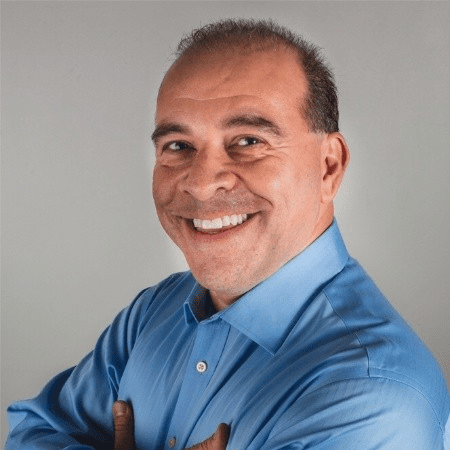
Steve Tusa is a Phoenix, Arizona–based safety leadership consultant, keynote speaker, and creator of the SHIELD™ framework – a leadership-driven system for building a strong culture of accountability and sustainable safety culture.
With over 30 years of hands-on experience in construction, manufacturing, and high-risk operations, Steve works with CEOs, COOs, and Heads of Safety who are tired of chasing lagging indicators and ready to lead proactively. His work focuses on helping leaders shift from reactive compliance to clear expectations, consistent behaviors, and real ownership in the field.
Steve is the author of The Ascent and is known for his grounded, practical approach rooted in real jobsite experience, not theory. He helps organizations across Arizona and the U.S. reduce incidents, improve engagement, and send people home safe every day.
Learn more about Steve’s work or schedule a conversation at ascentworks.com.