
What is the SHIELD™ Safety Leadership Framework?
Building a Culture of Accountability and Safety Culture That Lasts in Construction and Manufacturing
SHIELD™ is a proven safety leadership framework helping construction and manufacturing leaders across Phoenix, Arizona and the Southwest reduce incidents, engage their workforce, and build a culture where people go home safe, every day.
Key Takeaways
- The SHIELD™ Framework is a leadership-based systemfor building a culture of accountability and safety culture by defining critical behaviors, engaging frontline teams, and reinforcing ownership through coaching rather than punishment.
- SHIELD™ shifts safety from compliance and command-and-control to shared responsibility, where accountability is built into daily work instead of enforced after failure.
- The framework focuses on proactive behaviors and leading indicators that prevent incidents before they occur, not just measuring outcomes after the fact.
- When implemented correctly,SHIELD™ improves safety, production, engagement, and trust. It was created by Steve Tusa, a Phoenix, Arizona–based safety leadership consultant and nationally recognized keynote speaker and author.
Why Safety Culture Is More Than Compliance
Years ago, a client cried over a spreadsheet.
It wasn’t the numbers themselves. It was what they represented. An algorithm had calculated that someone on his team was statistically due for a fatal injury. A human life had become a data point in a risk model.
When he called me, it marked the beginning of a complete transformation – not just of his safety program, but of his safety culture and culture of accountability. It also started a relationship built on trust, care, and shared responsibility.
Moments like that remind me why this work matters. Every person who clocks in has someone waiting for them at home. Safety leadership isn’t about metrics alone. It’s about people.
That belief is what led to the creation of SHIELD™, a framework we built to move organizations beyond compliance and toward a sustainable culture of accountability that protects lives and strengthens performance.
What Is the SHIELD™ Safety Leadership Framework?
SHIELD™ is a leadership‑driven framework developed over more than 30 years of real-world experience in construction, manufacturing, and high-risk industries.
It was built through hundreds of conversations with CEOs, COOs, safety leaders, and frontline teams across Arizona and the U.S. who wanted more than another safety program. They wanted a safety culture that actually worked.
SHIELD™ is not an acronym slapped on a binder. It is a system designed to help organizations build a culture of accountability where safety is owned by everyone, not enforced by fear.
The Five Elements of SHIELD™ That Strengthen Safety Culture
Safety & Health
Valuing each person so they return home safely. This goes beyond OSHA compliance. It starts with genuine care.
Innovation
Listening to the people closest to the work. Frontline teams hold the answers. The role of leadership is to listen and act.
Engagement
When people feel seen and heard, they lean in. Engagement turns safety from a rule into a shared responsibility.
Leadership
Leadership is not about titles. If people look to you for direction, you are a leader. SHIELD™ equips leaders at every level to lead with clarity and consistency.
Development
Progress beats perfection. SHIELD™ builds habits through continuous learning that turns safe behavior into the norm.
How SHIELD™ Builds a Culture of Accountability That Drives Results
Organizations that implement SHIELD™ don’t just see improvements on dashboards. They see it in conversations, confidence, and trust.
Measured results often include:
- 64% average reduction in incidents
- 97% employee engagement
- Sub‑0.50 Experience Modification (EMOD) ratings
- Millions returned in captive insurance profits
But the real results show up in everyday life.
One national construction company came to us after multiple serious OSHA citations. Their EMOD was 1.09. Seven years later, it dropped to 0.46. With leaders providing daily feedback and thousands of weekly safety interactions, they’ve worked over eight million hours without a lost workday.
The way I see it, is more than just performance. It is thousands of safe trips home, dinners with family, and lives impacted.
SHIELD™ vs. Traditional Safety Programs in Construction and Manufacturing
Most traditional safety programs are built to show up after something goes wrong.
An incident happens. An investigation follows. Then come the write-ups, maybe a retraining, and a reminder that “we’ve got to hold people accountable.”
It’s not that those steps are wrong, it’s just that they’re too late.
SHIELD™ was built to help teams create what goes right.
Instead of chasing problems, it teaches leaders how to build systems and habits that prevent them. It’s not about reacting to risk. It’s about creating a culture of accountability that’s proactive, clear, and centered on people.
Here’s the real difference we see every day in the field:
Conventional safety approaches often rely on a few things:
- Command and control
- Lagging indicators like incident rates and EMOD scores
- Siloed accountability, where safety “belongs” to one department
- Punitive feedback that creates fear or silence
SHIELD™ Builds Cultures That Embrace:
- Empowered leadership at every level, not just the org chart
- Proactive behaviors observed, reinforced, and celebrated in real time
- Shared accountability that spreads across roles and departments
- Coaching and recognition that build confidence, not compliance
I can’t count how many times I’ve heard someone say,
“Focusing on safety slows us down.”
But that myth never holds up on a real jobsite.
When people are clear, supported, and engaged, they’re faster. They’re smarter. They’re better.
They don’t waste time second-guessing. They don’t hesitate to speak up. They’re not covering mistakes or hiding problems. They’re doing great work, because they know exactly what that looks like.
That’s what happens when safety becomes part of the culture, not just another program.
And that’s what SHIELD™ is designed to build.
How to Implement SHIELD™ and Build a Safety Culture That Lasts
I’m certainly not, and I’ve never met a team that was.
But if you care enough to show up, listen, and lead with consistency, you’re already ahead of the curve. Building a real culture of accountability begins with presence.
Here’s a high-level overview of how to begin using SHIELD™ to shift your safety culture:
Form a Design Team
Gather a cross-section of your workforce, especially the ones who ask tough questions. You know who these people are! These are the people others listen to, whether they have a title or not. When those voices are invited in, your process gains credibility and traction.
Define Critical Behaviors
Vague expectations lead to vague results. Get specific. What are the few key behaviors that keep people safe, protect quality, and move work forward? Define them together, and write them down where everyone can see them.
Engage and Observe
This isn’t a clipboard exercise. Walk the job, step into the discomfort, and ask real questions. People can feel the difference between inspection and engagement. One builds silence, while the other builds trust.
Deliver Feedback with Care
Recognition fuels repetition. If someone’s doing it right, say so. And if something’s off, have the conversation. Not to punish, but to protect. Always lead with the “why,” and always bring it back to the mission: sending people home safe.
Measure and Adapt
Track what matters. Not just what went wrong, but what’s going right. Share the wins. Notice the effort. Offer support when people fall short, but don’t disappear when they succeed.
This is the heart of the SHIELD™ system. And if you’re serious about embedding this into your organization, not as a program, but as a way of leading, The Ascent was written for you.
It’s not a theory book. It’s a field guide. Something to keep in your truck, dog-ear, and mark up as you lead the climb.
Frequently Asked Questions About SHIELD™, Safety Culture, and Accountability
Q: How long does it take to see results?
Many teams see measurable engagement improvements within 90 days. Long-term success is measured in fewer serious incidents and stronger trust.
Q: Is SHIELD™ just another behavior-based safety program?
No. SHIELD™ is leadership-based. It focuses on building systems and relationships, not watching people.
Q: What if we already have a safety department?
That’s ideal. SHIELD™ strengthens safety teams by making safety everyone’s responsibility, not just the safety coordinator’s.
Q: Does SHIELD™ work in manufacturing as well as construction?
Yes. SHIELD™ has been successfully implemented in manufacturing, energy, logistics, and healthcare across Arizona and the U.S.
Ready to Build a Culture of Accountability and Safety Culture That Lasts?
I’m not here to impress you with dashboards or buzzwords. I’m here to walk alongside you and your team as you build something meaningful.
SHIELD™ isn’t the hero. You are.
I’m just the guide who knows the terrain. If you’re interested in starting on your journey to a culture of accountability, you can always schedule some time with me here.
About Steve Tusa
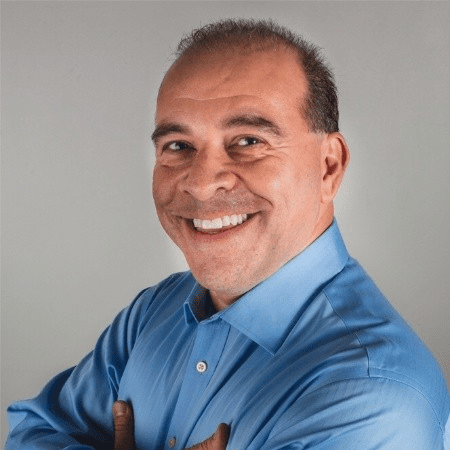
Steve Tusa is a Phoenix, Arizona–based safety leadership consultant, keynote speaker, and creator of the SHIELD™ Safety Leadership Framework. With over 30 years of hands-on experience in construction, manufacturing, and high-risk operations, Steve helps organizations across Arizona and the U.S. build strong safety cultures and sustainable cultures of accountability.
Steve works with CEOs, COOs, and Heads of Safety who are ready to move beyond compliance and lead with clarity, care, and consistency. His work focuses on protecting people, strengthening leadership, and driving operational excellence without fear-based systems.
To learn more about SHIELD™, leadership workshops, or speaking engagements, visit ascentworks.com or schedule a conversation to start building a culture that lasts.