
Silence in Safety Culture
Silence in Safety Culture: The Culture Killer We Don’t Talk About Enough
I was walking a jobsite a few years ago after a storm rolled through.
A power line was hanging lower than normal. The crew was working underneath it.
I asked the foreman, “Did anyone mention that line?”
“No,” he said. “First I’m hearing of it.”
Later, I pulled a worker aside.
“Did you see the line?”
“Yeah,” he said. “I figured someone else would say something.”
I’ve heard that answer more times than I can count, both in construction sites across the country and right here in Phoenix, Arizona.
And every time, it tells me the same thing.
We don’t have a safety problem.
We have a culture of accountability problem.
What Silence Reveals About Your Safety Culture
Silence is never neutral.
When people stop speaking up, they haven’t stopped caring. They’ve stepped back.
Their hands are still doing the work.
But their minds are no longer fully engaged.
That’s when small warnings get missed, when near misses go unreported, and where serious risk begins to compound.
Strong safety cultures don’t fail because people don’t care. I really believe most people want to do a good job. But they just can’t succeed when people feell:
- Unheard
- Disconnected
- Afraid of the reaction
- Convinced someone else will handle it
By the time an incident shows up on a dashboard, trust has probably been eroding for months.
Silence is a leading indicator. Most leaders just don’t recognize it.
Why Smart, Capable Employees Stay Quiet
Early in my career, I thought silence meant laziness.
I was wrong.
People stay quiet for simple, human reasons:
- They spoke up before and nothing changed.
- They don’t believe leadership wants the full truth.
- They fear embarrassment or blame.
- They assume someone else will say something.
This pattern repeats itself in construction, manufacturing, and utilities. In fact, it shows up everywhere.
People speak up when they feel safe, and they go silent when they don’t.
And when silence spreads, safety culture weakens and accountability drifts.
The Key to Safety Culture is Psychological Safety
Some leaders hear “psychological safety” and roll their eyes.
I get it. It sounds like corporate language.
But psychological safety is about strengthening standards, not softening them.
It means someone can say, “This doesn’t look right” without worrying about being blamed, dismissed, or labeled difficult.
In a strong culture of accountability, speaking up is normal. It’s expected. When leaders consistently listen and respond with respect, trust rises. And when trust rises, engagement improves, risk surfaces earlier, and incident rates fall
And isn’t theory. This backed by research, and by three decades of watching teams succeed (or fail.)
Here’s the pattern I’ve watched unfold over and over:
- Small concerns go unspoken.
- Leaders assume no news means good news.
- Risk builds quietly in the background.
- An incident happens.
- Everyone says, “Someone must have seen this coming.”
In truth, someone did see this coming.
They just stayed silent.
Silence isn’t neutral. It’s drift. And drift is the enemy of both safety culture and a true culture of accountability.
How Strong Safety Leadership Breaks the Silence
Leaders who build resilient safety cultures do a few things consistently:
- They make speaking up part of daily work.
- They respond to every concern—even small ones.
- They publicly appreciate the person who raised the issue.
- They close the loop and show what action was taken.
- They ask more questions than they give directives.
You don’t build trust by saying, “My door is always open.”
You build trust by proving it, over and over.
The Takeaway: One Question That Exposes the Truth About Your Culture
When I see silence creeping into a team, I ask one simple question:
“What is one thing you hesitated to say last week?”
Try it in your next meeting.
The answer will tell you more about your culture of accountability than any lagging metric ever could.
A Quiet Team Is Not a Safe Team
The strongest teams I work with, whether in Arizona or elsewhere in the U.S., have a few things in common:
They surface problems early. They speak honestly. They share responsibility.
They protect one another.
None of that happens by accident. It happens because leaders intentionally build a safety culture where honesty is normal and accountability is shared.
Silence hides risk, but voice exposes it.
Exposure gives you a chance to act before the cost grows.
Want to Measure the Health of Your Safety Culture?
If you’re noticing:
- Hesitation in meetings
- Issues getting dropped
- Lower engagement
- Fewer near-miss reports
That’s not random.
It’s a signal.
My team created the Safety Culture Risk Assessment to help leaders see clearly where their organization truly stands. It identifies breakdowns in trust, clarity, and accountability before they turn into serious events.
You can access it at no cost when you book a call with me.
And if you want help walking through the results and applying them to your operation, I’m here for that too.
Lead the climb.
Frequently Asked Questions: Silence, Accountability, and Safety Culture
Why is silence dangerous in a safety culture?
Silence hides small risks before they become serious incidents. When employees hesitate to speak up, leaders lose visibility into real-time conditions. A strong safety culture depends on early warnings, honest conversations, and shared accountability.
How does silence relate to a culture of accountability?
In a healthy culture of accountability, people feel responsible not only for their own work, but for protecting others. When silence replaces ownership, accountability weakens and risk increases.
What are early warning signs that silence is spreading?
Fewer near-miss reports, limited questions in meetings, hesitation during safety discussions, and a drop in field-level feedback are all indicators that psychological safety may be declining.
Is encouraging people to speak up lowering standards?
No. It raises them. High-performing teams speak openly about risks because they care about doing the job well. Speaking up strengthens performance, quality, and trust.
What is one practical way to reduce silence on a jobsite?
Ask consistent, open-ended questions and respond with appreciation instead of correction. When leaders visibly act on feedback, trust grows—and so does engagement.
About Steve Tusa
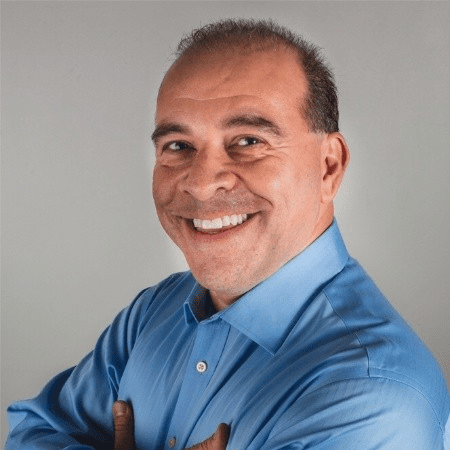 Steve Tusa works with leaders who carry real responsibility: responsibility for people, performance, and the decisions that shape both.
Based in Phoenix, Arizona, Steve has spent more than three decades leading and advising construction, manufacturing, and industrial organizations in building resilient safety cultures and strong cultures of accountability. His work is rooted in field experience, not theory.
Through the SHIELD™ framework, Steve helps leadership teams move from reactive safety management to proactive safety leadership. His focus is simple: create clarity, build trust, and strengthen daily behaviors so that people go home safe and businesses grow stronger.
Steve is the author of The Ascent and regularly speaks to executive teams who want practical strategies (not slogans) to improve safety culture and operational performance.
When he’s not working with clients, you’ll find him investing time in his family, mentoring leaders, or reminding teams that culture isn’t built in conference rooms, but in the 1:1 moments that matter most.