
How To Create a Culture of Accountability From the Inside Out
Every company has a culture. The question is: Did you design it, or did it design itself?
Most leaders I meet want accountability, but few know how to truly build it.
They’ll tell me: “Our people need to take ownership.” Or, “We’ve got to start holding everyone accountable.” But often, those same leaders are relying on top-down mandates and performance plans that (let’s be honest) haven’t worked in years.
I’ve seen under the hood of over 1,000 organizations. The patterns are clear.
When accountability is driven from the top, it rarely sticks. It feels like compliance. Like control. And while it may spark short-term obedience, it doesn’t lead to long-term change.
Real accountability starts at the bottom with the people doing the work.
Accountability the Right Way
Too often, we confuse responsibility with accountability.
Responsibility is the ability to respond. Accountability is the ability to account for something. And to account for it, we need to define it, measure it, and recognize it.
I like to use a simple three-part framework:
- Define: Get crystal clear about what’s most critical and expected.
- Measure: Track and report it regularly.
- Reward: Reinforce it with meaningful feedback—both positive and corrective.
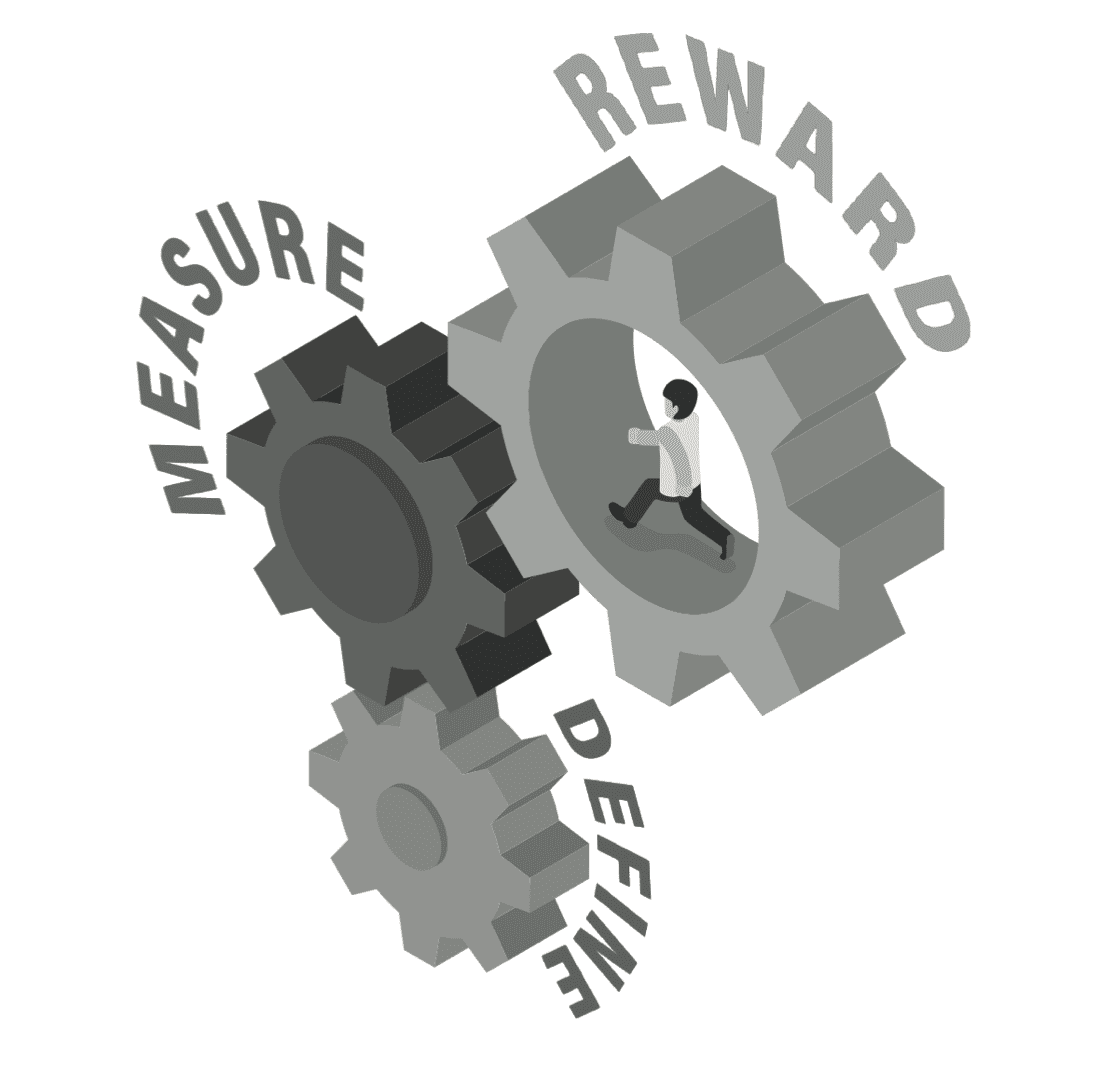
If it’s not measurable, it’s not accountable. And if it’s not defined by your people, it won’t be owned by your people.
The Design Team Approach
In our SHIELD™’ framework, the “I” is for Innovation. That’s where your Design Team comes in.
We help companies handpick a cross-section of their workforce (field, office, leadership, new hires, even a respected skeptic or two and bring them into one room. That room becomes the heartbeat of cultural change.
They’re not there for more training.They’re there to help create.They define the critical behaviors that actually keep people safe and productive and build the habits that shape your culture layer by layer, like a wedding cake.
What’s the impact?
- Immediate buy-in.
- Practical wisdom from decades of their collective experience.
- A team-created blueprint for how each level of the organization can support the one below.
We’ve watched respected “CAVEtm” people (Citizens Against Virtually Everything) flip their stance and bring dozens of others with them. All because they were included early and challenged respectfully.
Measurement Matters
“What gets measured gets done” isn’t just a catchy phrase. It’s really the root of any good plan.
But most organizations focus on lagging indicators: accident rates, incident reports, E-Mod. Those are important, but they’re rearview mirrors. They don’t help you steer.
Instead, your team needs to measure leading indicators:
- How often are safe behaviors observed and reinforced?
- How consistently are expectations communicated and clarified?
- Are people receiving real-time feedback (positive and corrective)?
These are the signals of a healthy system. And they can be tracked weekly, even daily.
Recognition Over Retribution
One thing we don’t need is more safety cops. We need safety coaches.
When someone does the right thing, let them know on the spot. Be specific. Tie it back to the expectation and the impact.
When someone drifts off course, correct them with care. Ask why. Listen deeply. Remove barriers. And yes, follow through when needed, but only after you’ve tried to coach.
This kind of environment builds peer accountability. It’s no longer “management vs. workforce.” It’s we. It’s us, looking out for each other, rowing in rhythm, all headed toward the same goal: sending every person home safely, every day.
Immediate Actions for Leaders
Here’s how to begin:
- Form Your Design Team
Bring together a diverse group (max 12) to define what “great” looks like on the ground. Ensure they represent all layers of the organization and want to participate.. - Start Measuring Weekly
Define a few behaviors to track. Use simple tech tools or spreadsheets if needed. Consistency is more important than complexity. - Foster Immediate Feedback
Train leaders to catch people doing the right thing. Encourage teammates to speak up for safety, for quality, for each other.
Accountability is not control. It’s care.
It’s about building a culture where people do the right thing not because they’re told, but because they own it. Because it’s their standard. Their team. Their win.
And when that happens, you stop fighting for compliance and start building something far stronger: commitment and ownership.
If you’re ready to shift away from mandates, top-down leadership, and safety cops, I want to have a conversation with you. Creating cultures of accountability is the part of my job I like best. Let’s be sure to find some time.
Lead the Climb.