
Why Technical Skill Isn’t Enough

To lead people, you need more than IQ. You need EQ.
I spent the first decade of my career thinking the job was mostly about knowing what to do: how to read a plan set, know regulations, push a schedule, or get results.
And to be fair, that got me pretty far. The teams I worked with hit targets. They produced and finished work on time.
But the more people I was asked to lead, the more I realized something was missing.
I could train someone on a process. I could teach someone math. But I couldn’t force them to listen. I couldn’t make them care. I couldn’t coach them past a shutdown moment if I wasn’t present enough to notice it was happening.
That shift took some time. It took mistakes. It took some hard feedback from people who were kind enough to tell me the truth.
In my book The Ascent, I wrote: “I wasn’t failing because I lacked knowledge. I was failing because I wasn’t present.”
Technical skill might get you promoted. But if you don’t grow beyond it, it’ll also be where you stall.
Where Most Leaders Get Stuck
This shows up all the time in the field.
A great welder gets tapped to lead a crew. A sharp scheduler moves into a PM role. A top operator starts running work.
And within six months, they’re overwhelmed. Short with people. Frustrated that what used to work doesn’t anymore.
It’s not that they forgot how to do the work. It’s that they were never taught how to lead people.
When people feel unsafe, they stop listening. And when they stop listening, they stop learning.”
That’s not just about physical safety – it’s also psychological safety. About creating an environment where people can ask questions, admit mistakes, and stay open to growth.
And if we as leaders aren’t careful, we become the very thing that shuts that down.
How to Start Leading with More EQ
This doesn’t require a new certification. It starts with small shifts.
- Get curious before getting loud. Ask before assuming. Pause before reacting.
- Model emotional safety. It’s okay to say “I don’t know.” It’s okay to let people see you learning. In fact, they need to.
- Build reflection into your routines. Toolbox talks can include more than hazards. Huddles can check in on mindset, not just metrics.
In our SHIELD™ system, this shows up as Human-first Leadership. Not soft. Just aware.
You don’t need to become someone you’re not. But you do need to pay attention to more than what’s on paper.
People aren’t checklists. They’re complex.
So let go of the need to be perfect. Just be honest, attentive, and willing to learn alongside your team.
The Next Level of Leadership
We used to say the best leaders were the ones who knew the most. Now, I think the best leaders are the ones who know themselves the best.
They notice when they’re having an off day. They catch themselves before a sharp word. They create the space for others to breathe.
This kind of leadership improves culture. It builds trust. It builds teams. It builds people.
Now, I know that every situation (and every leader) is different. If you’re feeling like you need a shift in the way things operate, the best place I can point you is the Safety Culture Assessment to get an idea of where you’re starting.
Or, if you want to talk through the specifics of your org, I’m happy to hop on a call.
About Steve Tusa
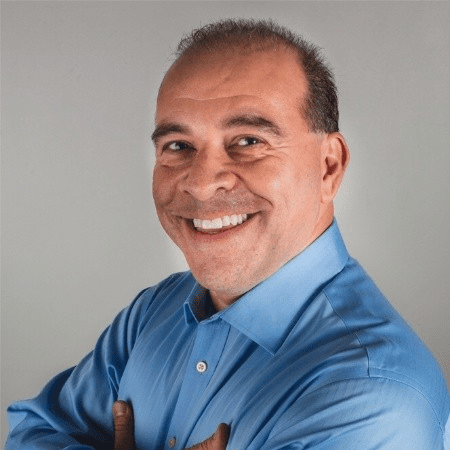 Steve Tusa works with leaders who carry real responsibility: responsibility for people, performance, and the decisions that shape both.
Based in Phoenix, Arizona, Steve has spent more than three decades leading and advising construction, manufacturing, and industrial organizations in building resilient safety cultures and strong cultures of accountability. His work is rooted in field experience, not theory.
Through the SHIELD™ framework, Steve helps leadership teams move from reactive safety management to proactive safety leadership. His focus is simple: create clarity, build trust, and strengthen daily behaviors so that people go home safe and businesses grow stronger.
Steve is the author of The Ascent and regularly speaks to executive teams who want practical strategies (not slogans) to improve safety culture and operational performance.
When he’s not working with clients, you’ll find him investing time in his family, mentoring leaders, or reminding teams that culture isn’t built in conference rooms, but in the 1:1 moments that matter most. Want to connect with Steve? Book a call today!